Planning a funeral is something most of us will be called to do at some point — often suddenly, always while grieving. This guide is for South African families navigating this process for the first time, or supporting someone who is. It is practical, step-by-step, and written with the realities of South African families in mind.
The First 24 Hours
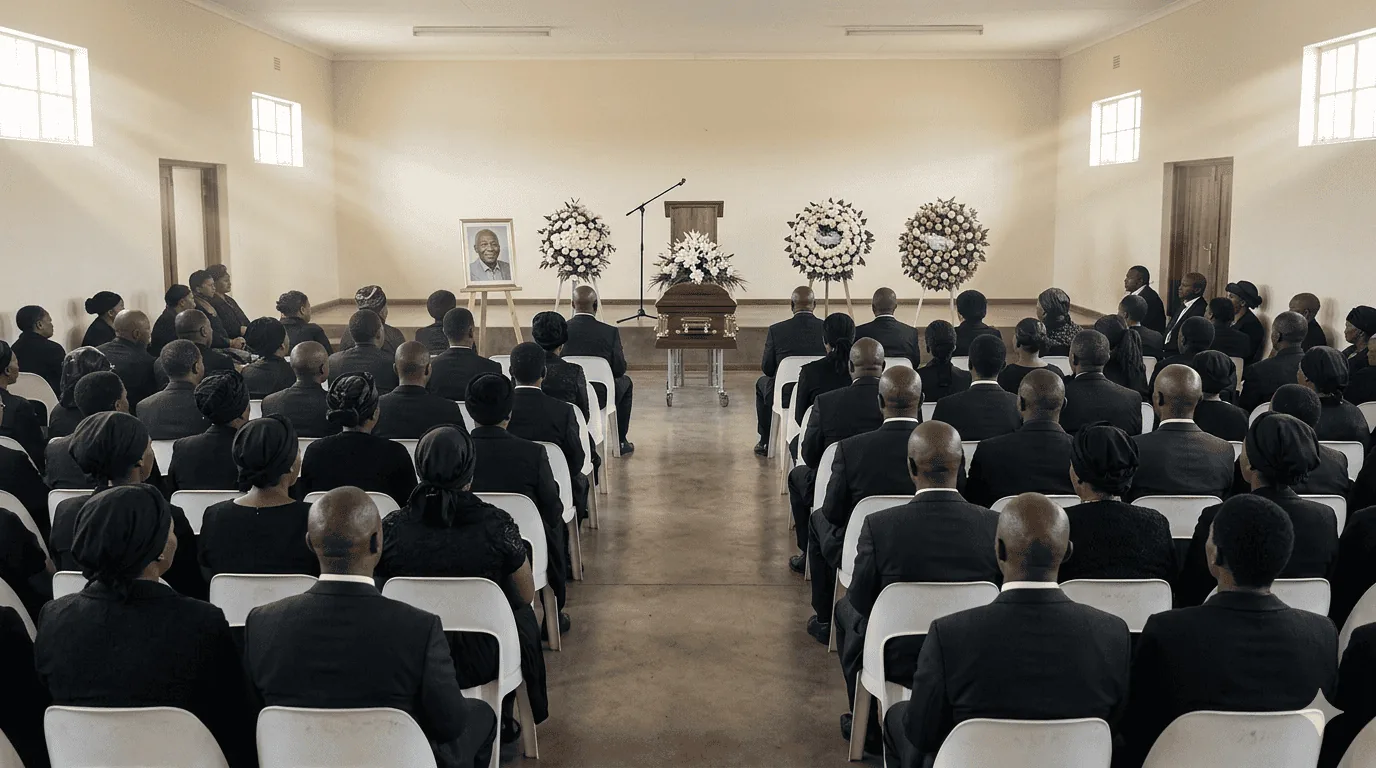
When a death occurs, the immediate hours can feel overwhelming. Knowing what needs to happen first can help you focus and take one step at a time.
- Notify a doctor or emergency services. If the death occurred at home unexpectedly, call emergency services (10111 for police, 10177 for ambulance). If the person was under medical care, notify the attending doctor who can issue the Notice of Death.
- Contact a funeral home. The funeral home will transport the body and begin the formal process. You do not need to choose a funeral home immediately — take the time to make a decision that feels right for your family.
- Notify immediate family. Before anything goes public, ensure that the closest family members — children, parents, siblings — hear the news directly, not via social media or a phone message in a group chat.
- Locate important documents. You will need the deceased's identity document (ID), medical aid information if applicable, and any funeral policy documents as soon as possible.
- Begin notifying your broader community. Once immediate family knows, use a digital memorial page to send one clear, centralised message to everyone else — saving you from repeating the same information dozens of times.
Required Documents in South Africa
South African law requires certain documentation before a burial or cremation can take place. The Department of Home Affairs oversees death registration, and a funeral home will typically guide you through this process.
- Death Certificate (BI-1663): Issued by the Department of Home Affairs. The funeral home typically submits this on your behalf. You will need certified copies for estate, insurance, and pension purposes.
- Notice of Death (BI-1680): Completed by the attending doctor or a medical examiner. This confirms the cause of death and must be submitted to Home Affairs within 72 hours of death.
- Burial Order: Issued by Home Affairs once the Notice of Death is received. The burial or cremation cannot proceed without this document.
- The deceased's ID document: Required for the official death registration process.
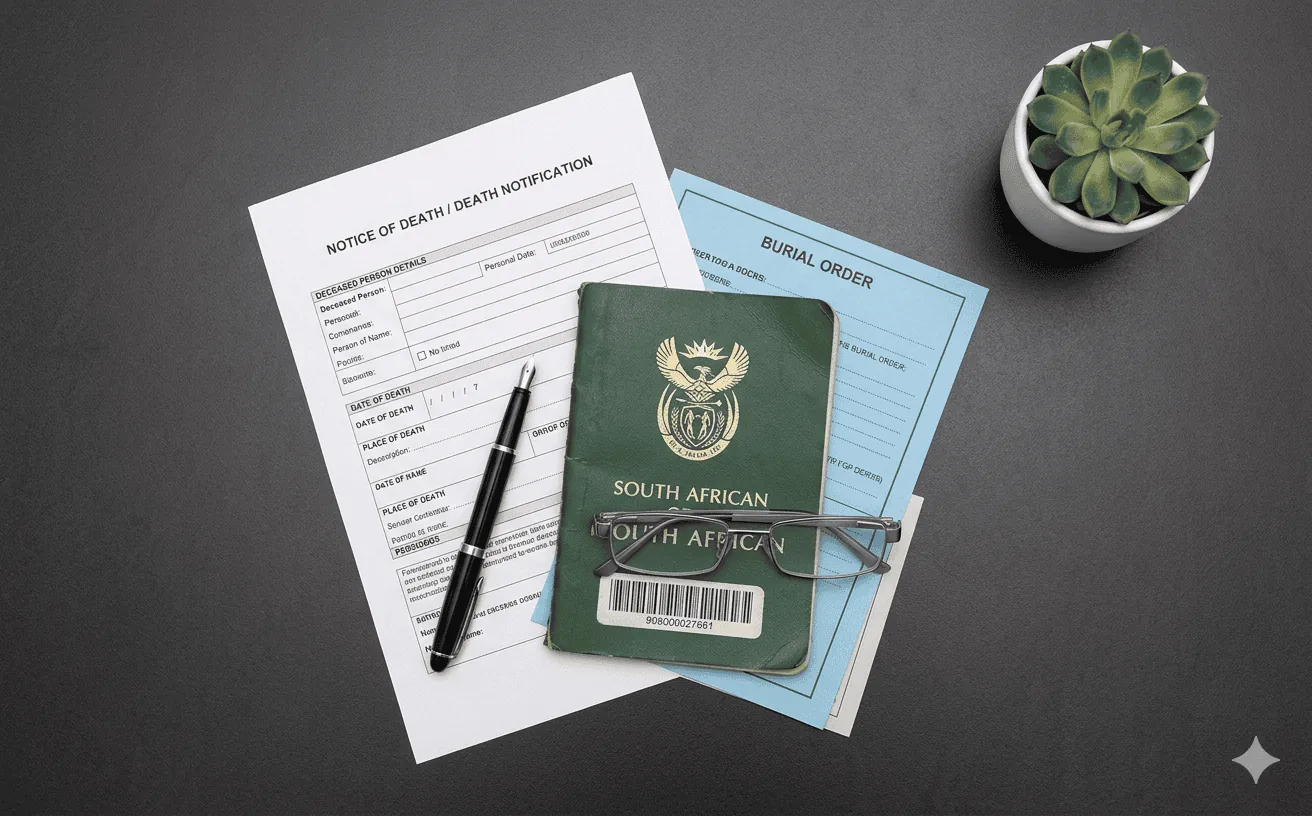
A reputable funeral home in South Africa will handle most of the documentation process for you. Their assistance does not mean you are locked into using all their services — you can engage them for body care and documentation while making your own arrangements for the service and burial.
Choosing a Funeral Home
South Africa has a large number of funeral homes ranging from national chains to small family-operated businesses. Choosing the right one matters — not just for cost, but for how the process feels.
When contacting funeral homes, ask for an itemised price list upfront. You are entitled by law to receive this without having to commit to anything. Key questions to ask include:
- What does the basic package include, and what are additional costs?
- Can we bring our own flowers, programme inserts, or catering?
- Is there a viewing chapel, and how many people can it accommodate?
- Do you handle all Home Affairs documentation, or do we need to visit an office?
- Are you in-network with our funeral policy or insurance provider?
Do not be afraid to negotiate or decline services you do not need. Funeral homes in South Africa offer a wide range of services at different price points, and no family should feel pressured into options beyond their budget.
Understanding Funeral Costs in South Africa
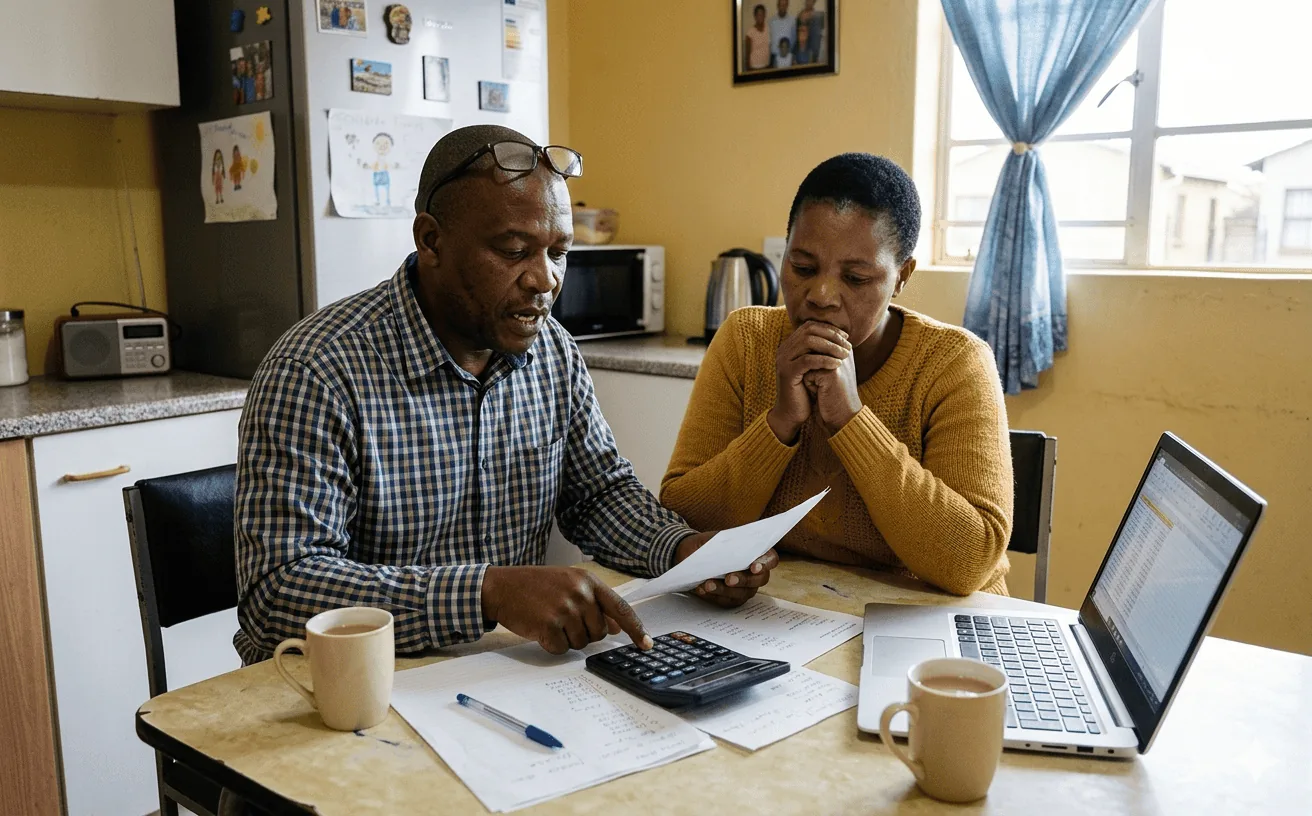
Funeral costs in South Africa vary significantly depending on location, provider, burial versus cremation, and the services chosen. Here is a general framework to understand what you might encounter:
- Basic funeral package (coffin, transport, documentation): From R5,000 to R15,000+
- Burial plot at a municipal cemetery: From R1,500 to R10,000+ depending on municipality and plot type
- Cremation: Often less expensive than burial; typically R5,000–R15,000 for the service
- Catering and reception: Highly variable; many families manage this independently to save costs
- Tombstone or grave marker: A separate cost, often handled weeks to months later
- Death notices in newspapers: R500–R2,000+ per publication
- Printing funeral programmes: R500–R3,000+ depending on quantity and design
Many South African families have funeral insurance (also called burial insurance) through policies held by the employer, a stokvel, or a private insurer. Check all existing policies before committing to funeral home payment plans.
Cultural and Religious Traditions
South Africa is richly diverse, and funeral traditions vary enormously between communities, cultures, and faiths. There is no single correct way to hold a funeral — what matters is that the ceremony reflects the life and beliefs of the person who has died, and brings comfort to those who loved them.
Zulu and Ndebele Traditions
In Zulu tradition, funerals are significant community events. Cattle may be slaughtered as a sign of respect and to provide for mourners. The body is traditionally buried facing east, and community members are expected to attend and support the family. The mourning period — including the washing of hands ceremony — is governed by custom.
Xhosa Traditions
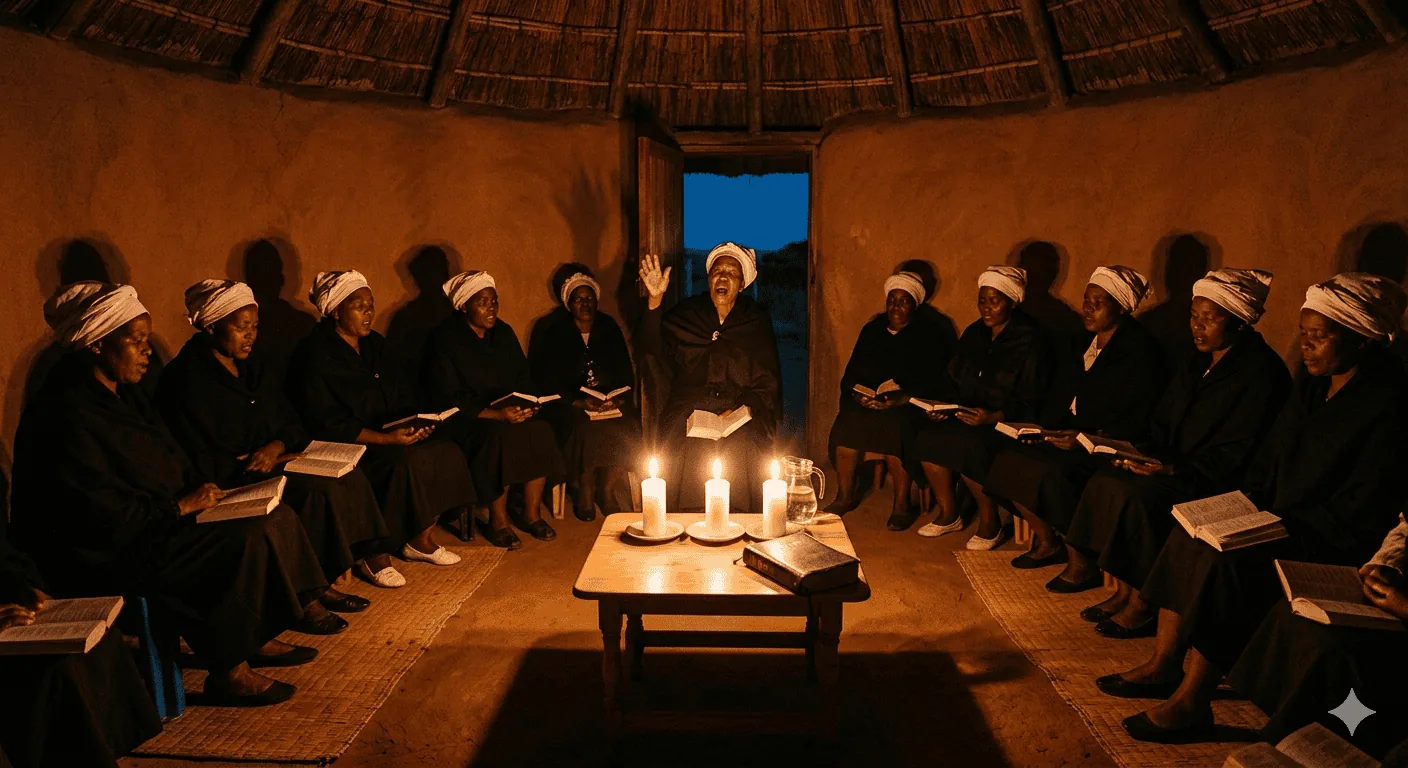
Among Xhosa communities, the funeral is a communal responsibility. Night vigils (amasikilizi) are held the night before the burial, with prayer, singing, and community support. The family is expected to be fed and cared for by the community throughout the mourning period.
Christian Traditions
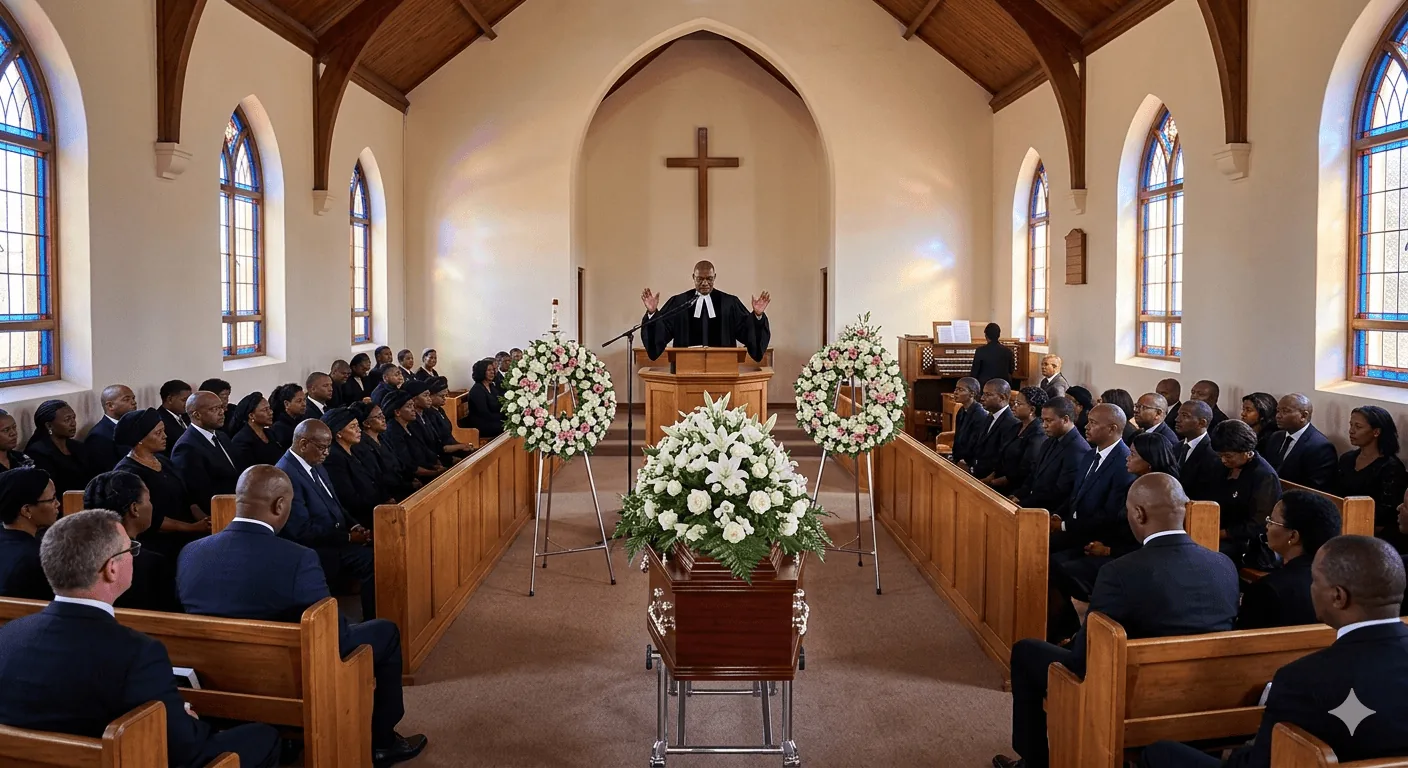
For Christian families — the majority religious grouping in South Africa — funerals typically include a church service with scripture readings, hymns, a sermon, and eulogies. The programme is usually printed and distributed to attendees.
Muslim Traditions
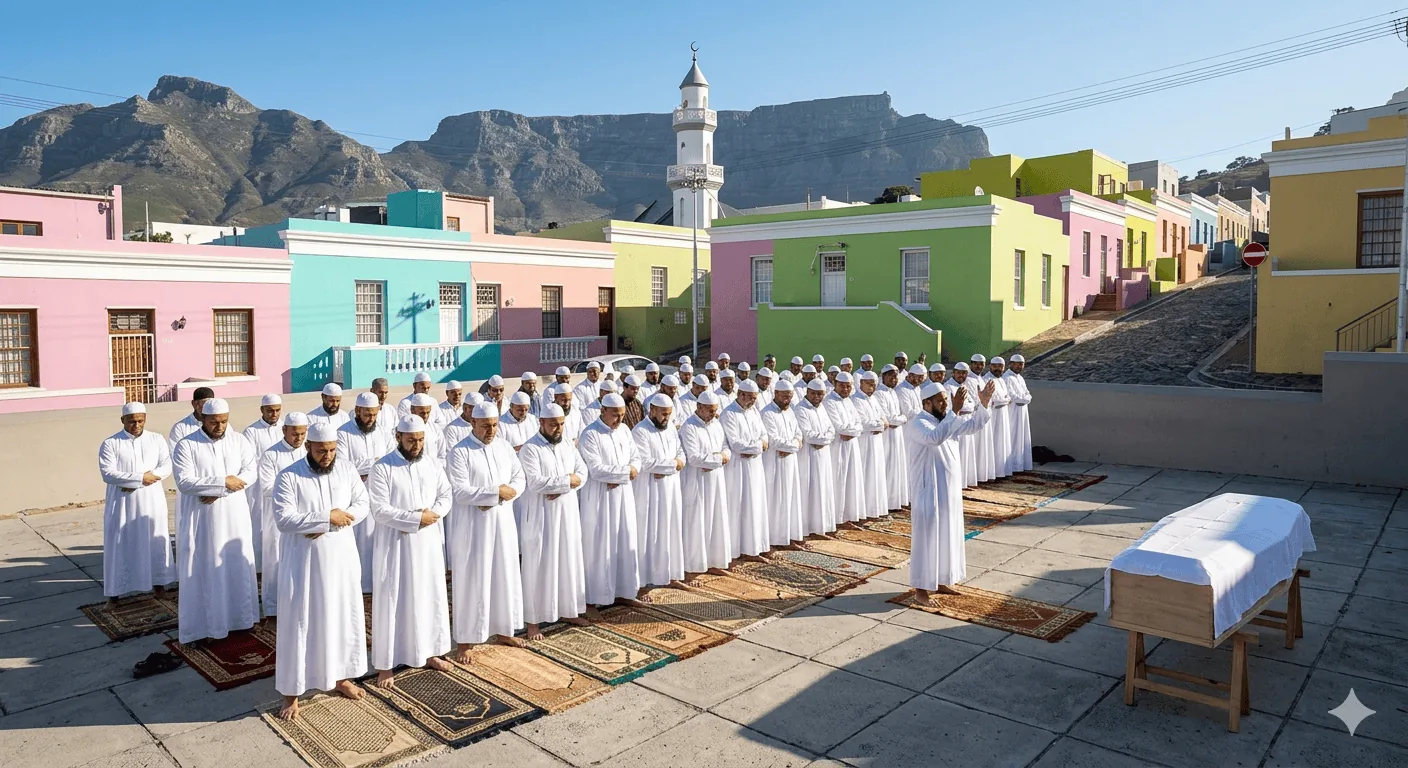
Islamic funerals in South Africa follow specific religious requirements: burial should occur as quickly as possible, the body is washed and shrouded, and the Janazah (funeral prayer) is performed. Women and men may be seated separately at the service.
Afrikaner Traditions
Many Afrikaner families hold funerals in the Dutch Reformed Church (NG Kerk) or another Protestant denomination. The service is often formal, with scripture, prayer, and often Afrikaans hymns.
Share Funeral Details Instantly via TributePoint
Create a free tribute page with all the funeral details — date, time, venue, and map — and share a single link via WhatsApp with everyone who needs to know. Update it in real time as arrangements are confirmed.
Create a Free Tribute PageNotifying Family and Friends Across South Africa
Reaching everyone who needs to know about a death — especially across provinces — is one of the most stressful parts of funeral planning. The old methods (phone calls, newspaper death notices, WhatsApp voice messages) are fragmented and error-prone.
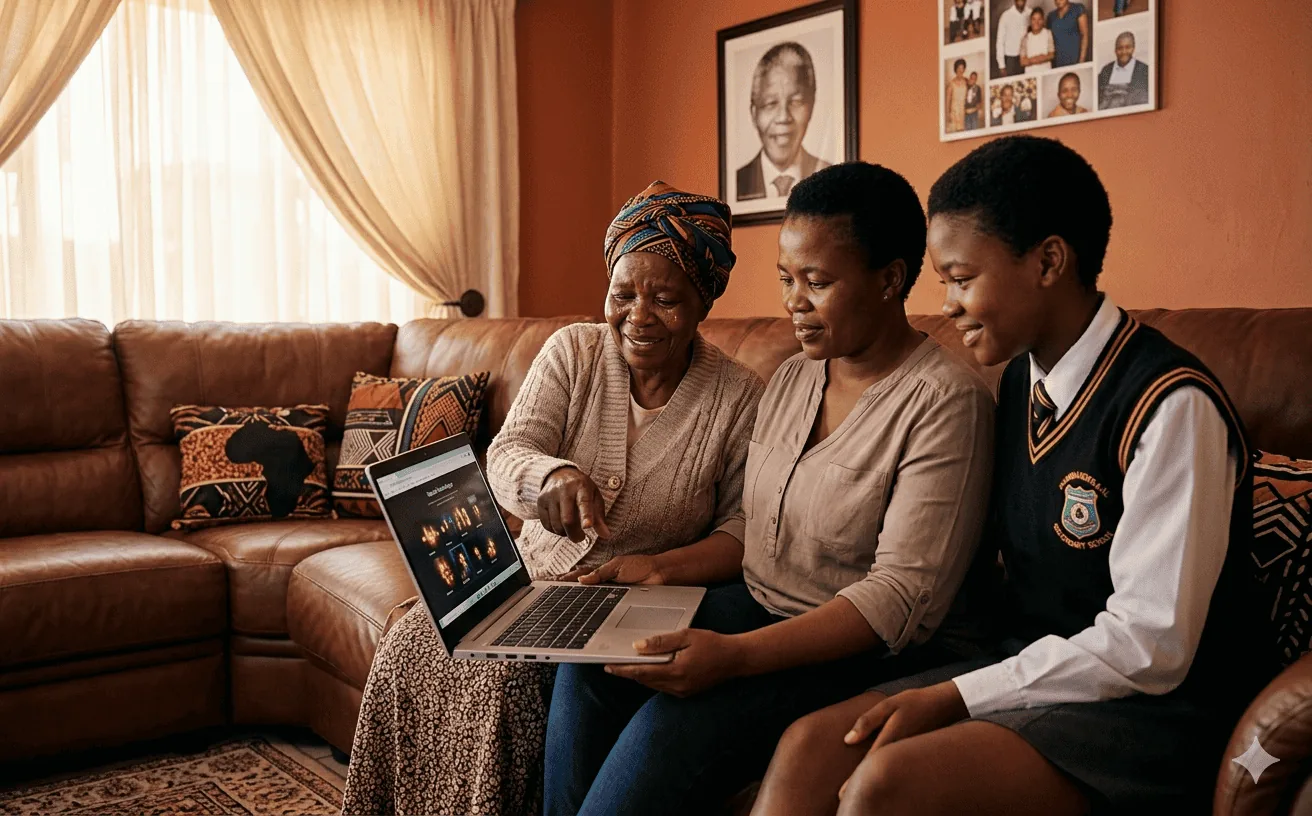
A digital memorial page gives you a single link that contains everything: who has passed, the full obituary, the funeral date, time, and venue, and the cemetery location with a map. You post this link once in your family WhatsApp group, and every person who opens it has all the correct, up-to-date information. If arrangements change — as they often do — you update the page and everyone sees the update immediately when they open the link.
TributePoint pages also display beautifully on mobile phones, which is how most South Africans access the internet. A family member in Limpopo can open the link on their phone on the way to the bus station and know exactly where they need to be and when.
After the Funeral
Planning does not end with the service. The weeks following a funeral involve estate matters, closing accounts, claiming from insurance, updating Home Affairs records, and simply beginning to grieve. Give yourself and your family permission to take this one step at a time.
The memorial page you created does not disappear after the funeral. It becomes a permanent digital record of your loved one's life — something the family can return to, share, and add to over time. Grandchildren who were too young to understand the loss can visit it years later and learn about the person they never really had the chance to know.
Hindu Traditions
For South African Hindu families — particularly in Durban, Chatsworth, Phoenix, Lenasia and Pretoria — funeral rites follow Vedic tradition. Cremation is the standard practice, ideally within 24 hours of death. The body is bathed, dressed in white (or red for a married woman whose husband is still living), and placed on a bier. The eldest son traditionally lights the funeral pyre, although in modern crematoria a button is pressed instead. The 13-day mourning period (known as antyesti) follows, during which the family avoids social events, does not cook in the home for the first few days, and holds prayer meetings led by a priest (pandit). On the 13th day, a final ceremony marks the end of formal mourning.
Jewish Traditions
South African Jewish funerals — concentrated in Johannesburg (notably Glenhazel and Houghton) and Cape Town (Sea Point) — follow halacha (Jewish law). Burial takes place as quickly as possible, ideally within 24 hours. The body is washed by the Chevra Kadisha (sacred burial society) and dressed in plain white shrouds (tachrichim). The coffin is simple unfinished pine, with no metal fittings, reflecting the equality of all in death. After the burial, the immediate family observes shiva — seven days of formal mourning at home, during which the community visits to offer comfort. Mourners do not work, do not wear leather shoes, and sit on low chairs.
The Role of Burial Societies and Stokvels in South African Funerals
For millions of South African families — particularly in townships and rural areas — the funeral is not financed primarily by an insurance company. It is financed by a burial society (umasingcwabisane / kgotsofalo) or a funeral stokvel. Understanding how these work is essential to realistic funeral planning.
A burial society is typically formed by 20–100 community members, often women, who contribute a fixed amount monthly (R50–R300 is common). When a member or a registered dependant dies, the society pays out an agreed amount — often R5,000–R30,000 — and the membership physically helps with the funeral: cooking, setting up tents, washing dishes, supporting the bereaved family through the night vigil. This labour, often called ukunceda, is as valuable as the cash payout.
Many South African families belong to multiple burial societies and stokvels — one through the workplace, one through the church, one in the community, one back in the rural home village. Check all of them after a death. It is not unusual for a family to discover a R20,000–R50,000 combined payout that was easy to overlook in the chaos of the first few days.
A few practical points families should know:
- Notify the society as quickly as possible. Most societies require notice within 24–48 hours. Late notice can void the payout.
- Have the deceased’s ID and the registration certificate ready. The society secretary will need both before releasing funds.
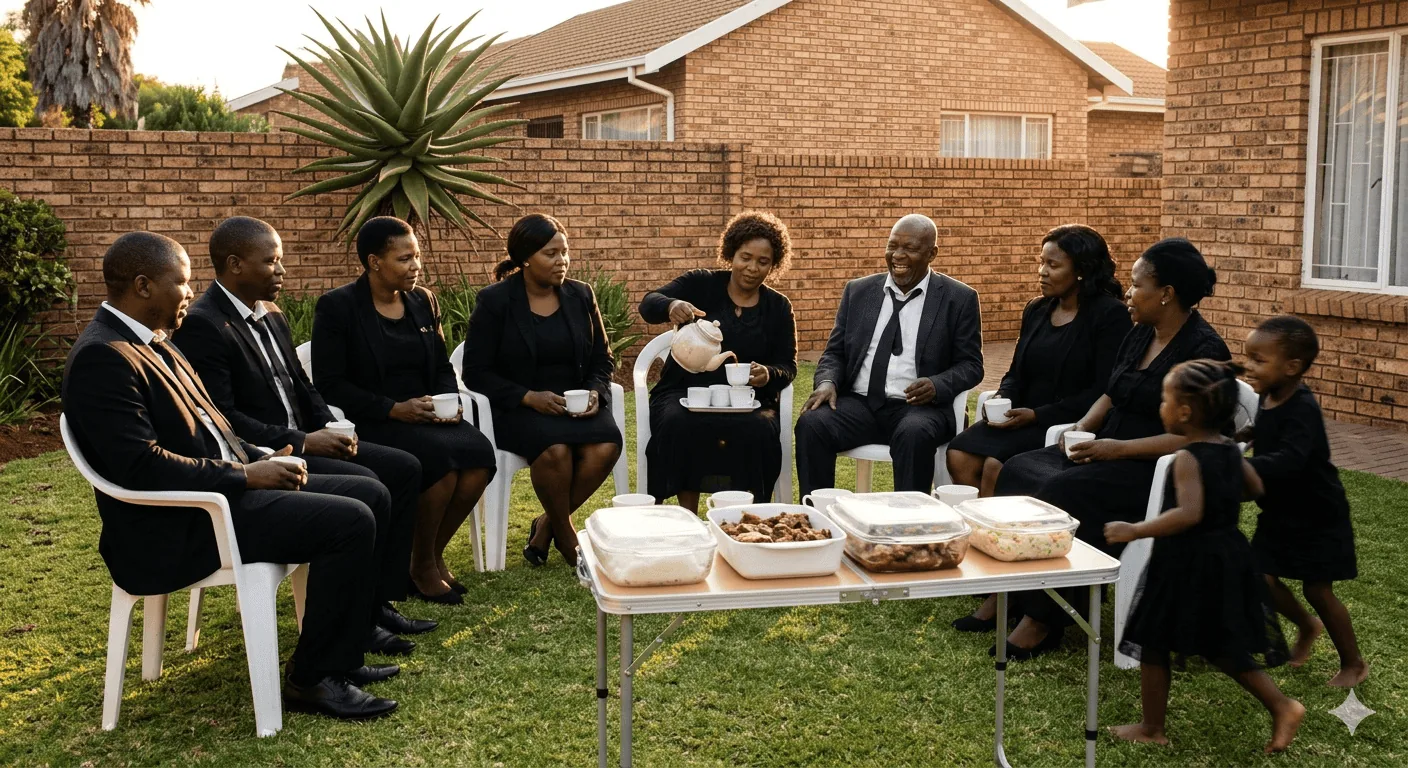
- Confirm what the society expects in return. Some societies require the family to host the after-funeral meal at their home, others contribute the meal themselves.
- Document the contribution. Get a written or signed receipt. This avoids disputes and helps with the estate.
- Stay current after the funeral. If the deceased was the registered member, the family may need to nominate a new principal member to keep the cover active for surviving relatives.
Rural vs Urban Funerals: What Actually Differs
A funeral in Johannesburg or Cape Town and a funeral in rural Eastern Cape, Limpopo or KwaZulu-Natal can look like two completely different events. Both are valid, both are dignified — but families who move between the two often underestimate what each requires.
In urban areas, funerals are usually organised through a registered funeral home that handles transport, body care, the venue, and most of the documentation. The service is often held in a chapel attached to the funeral parlour, in a community hall, or in a church. Catering is sometimes outsourced. The whole process can be completed in a week.
In rural areas, the funeral is typically held at the family homestead. The body may be brought home for the night vigil. A tent is erected in the yard, the community contributes labour, and a beast (typically a cow or sheep, depending on the family’s means and tradition) may be slaughtered. The grave is often dug by family and community men. Costs are lower in cash terms but extremely high in labour and community involvement. Plan a minimum of 7–10 days from death to burial.
For families repatriating a body from a city to a rural home village — from Johannesburg to Mqanduli, for example, or from Cape Town to Bushbuckridge — the additional costs include long-distance hearse transport (R8–R12 per kilometre is typical) and possibly a separate urban memorial service before the body leaves. Budget an extra R6,000–R15,000 for repatriation alone.
Common Mistakes Families Make in Funeral Planning
- Signing the funeral home contract under pressure. Within 30 minutes of arriving at the parlour, families are often presented with a package of services worth R30,000–R60,000. Take the itemised price list home, read it overnight, and decide which services you actually need before signing.
- Forgetting funeral cover from the workplace or pension. Many employers and retirement funds include a funeral benefit of R10,000–R30,000 that lapses if not claimed within 6–12 months. Ask HR explicitly.
- Underestimating catering numbers. South African funerals often draw 200–500 people unexpectedly, even when only 80 are formally invited. Cater for at least 50% more than the formal guest list.
- Not appointing a single point of contact. Without a designated coordinator, family members give conflicting information to the funeral home, the church, and the community. Choose one person — usually the deceased’s eldest child or a trusted aunt/uncle — to handle all logistics.
- Skipping the legal steps. The funeral itself is only one part. The estate must still be reported to the Master of the High Court within 14 days. See our complete guide on what to do when someone dies in South Africa for the full legal checklist.
Frequently Asked Questions About Funeral Planning in South Africa
How long do I have to bury someone in South Africa?
There is no fixed legal limit on how long a body can be held by a funeral home, but most funerals take place 5–10 days after death to allow time for documentation, family travel, and arrangements. Muslim and Jewish tradition require burial within 24 hours where possible. Bodies awaiting post-mortem can be held by the state mortuary for several weeks at no cost to the family.
Can I plan a funeral without a funeral home?
Technically yes — but practically very difficult. Only registered funeral homes can transport human remains, and Home Affairs documentation generally requires a funeral home as the submitting party. The most you can “DIY” is the catering, programme, flowers, and the service itself.
How much should a basic dignified funeral cost in 2026?
A simple, respectful funeral in South Africa in 2026 can be done for R15,000–R25,000 if you handle catering and programmes yourself, choose a basic coffin, and use a municipal cemetery. A full traditional funeral with after-tears catering for 200+ people typically runs R35,000–R80,000. See our detailed guide to funeral costs in South Africa for a line-by-line breakdown.
What if the family cannot afford the funeral?
Options include: claiming from any funeral policy, requesting an emergency loan from the burial society, applying for the SASSA Social Relief of Distress (SRD) burial assistance, asking the church or community for a collection, or considering a basic cremation (often the lowest-cost dignified option). A digital memorial page can also be used to accept funeral contributions and donations from extended family and friends.
Can the funeral be livestreamed for relatives overseas?
Yes, and this has become standard since the COVID era. Most modern funeral homes either provide livestreaming or allow the family to set up their own. See our practical livestream a funeral service guide.

Naledi Maseko is TributePoint's Memorial Planning Editor. She writes practical guides on obituary writing, funeral preparation, funeral costs, and the administrative steps South African families face after a loss.
Also helpful: Create a TributePoint memorial page when you are ready to share service details, or explore more practical support in our South African funeral guides.