Every person who has ever lived has a story worth telling. But stories fade — passed by word of mouth, they change and disappear within a generation or two. Photographs in shoeboxes go unidentified. Names are forgotten. This guide is about how South African families can preserve the memory of their loved ones in a way that endures — not just for the funeral, but for decades to come.
Why Memory Preservation Matters
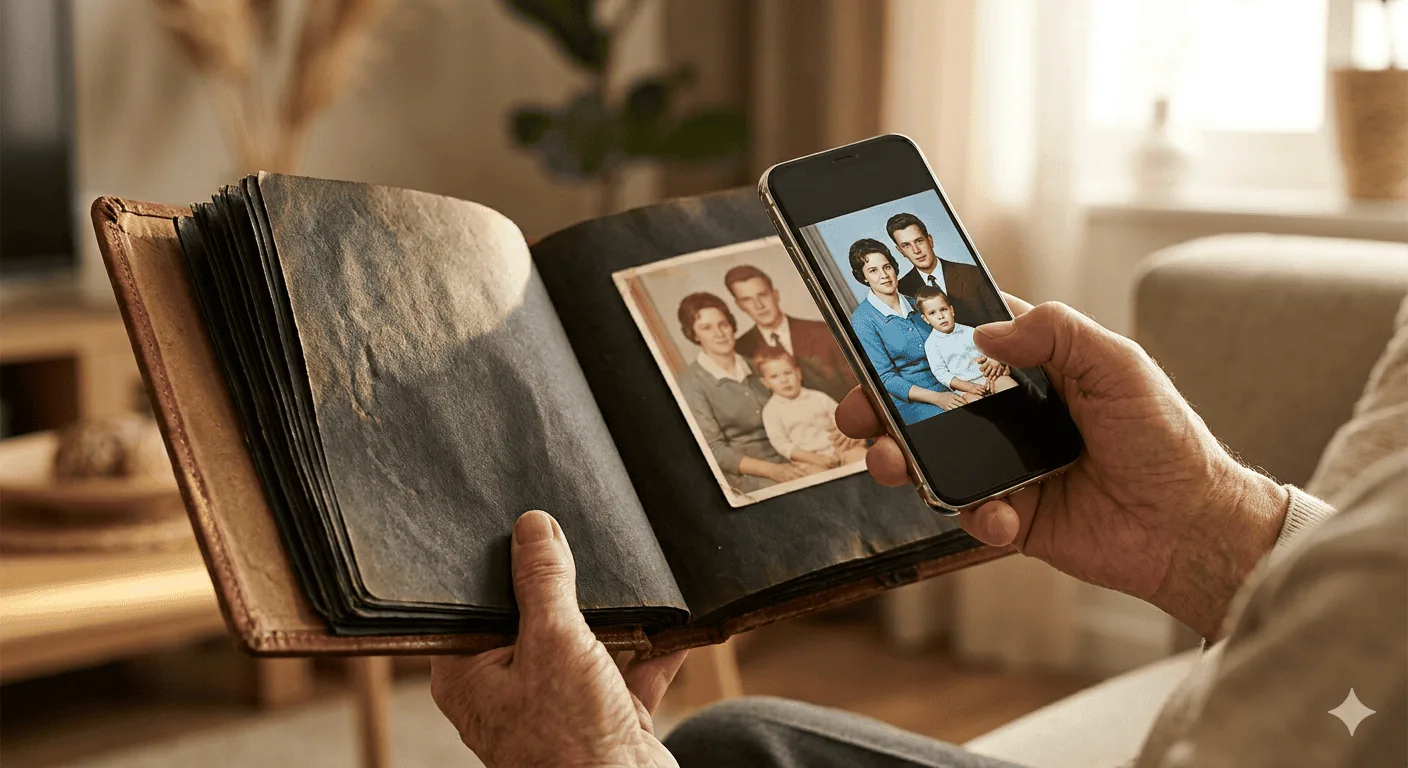
Think about your own grandparents or great-grandparents. How much do you know about who they really were — not just their names and dates, but their personalities, their stories, the things that made them laugh? For most families, that knowledge has been partially or entirely lost.
We live in an era where this loss is no longer inevitable. Digital tools make it possible to preserve stories, photographs, and biographical details in a form that can be accessed by family members anywhere in the world, at any time, for generations. The effort of preservation — like the effort of writing a good obituary — is an act of love for those who come after us.
It is also an act of healing. Many families find that the process of gathering memories, organising photos, and writing about a loved one helps them process their grief. It gives purpose to the painful days immediately after a loss, and creates something lasting out of what can feel like total loss.
What to Include in a Digital Memorial
A truly meaningful memorial goes beyond basic facts. Here is what to consider gathering:
Full Name & Life Dates
Include their full name, any nicknames, date of birth, and date of passing. For many people, especially older generations, there may be both a traditional and a given English name — include both.
The Full Life Story
Write about their childhood, where they grew up, their education, the work they did, the family they built, their faith, their passions. Even a few paragraphs can become a treasured family document.
Photographs
Scan old prints if possible, gather digital photos from family members, and choose a clear portrait photograph. Photos from different life stages — childhood, young adulthood, family years, later life — tell the story visually.
Stories & Memories
Ask family members to share a specific memory — not a general statement about what a wonderful person they were, but a particular moment or story. These are the details that make a person real to someone who never knew them.
Places of Meaning
Where were they born? Where did they spend most of their life? Where will they be laid to rest? These geographical anchors are important to family members who may not know the places their ancestor called home.
Family Connections
List surviving family members, and acknowledge those who preceded them in death. A clear record of family connections is invaluable to future generations doing family history research.
How to Gather Stories from Family
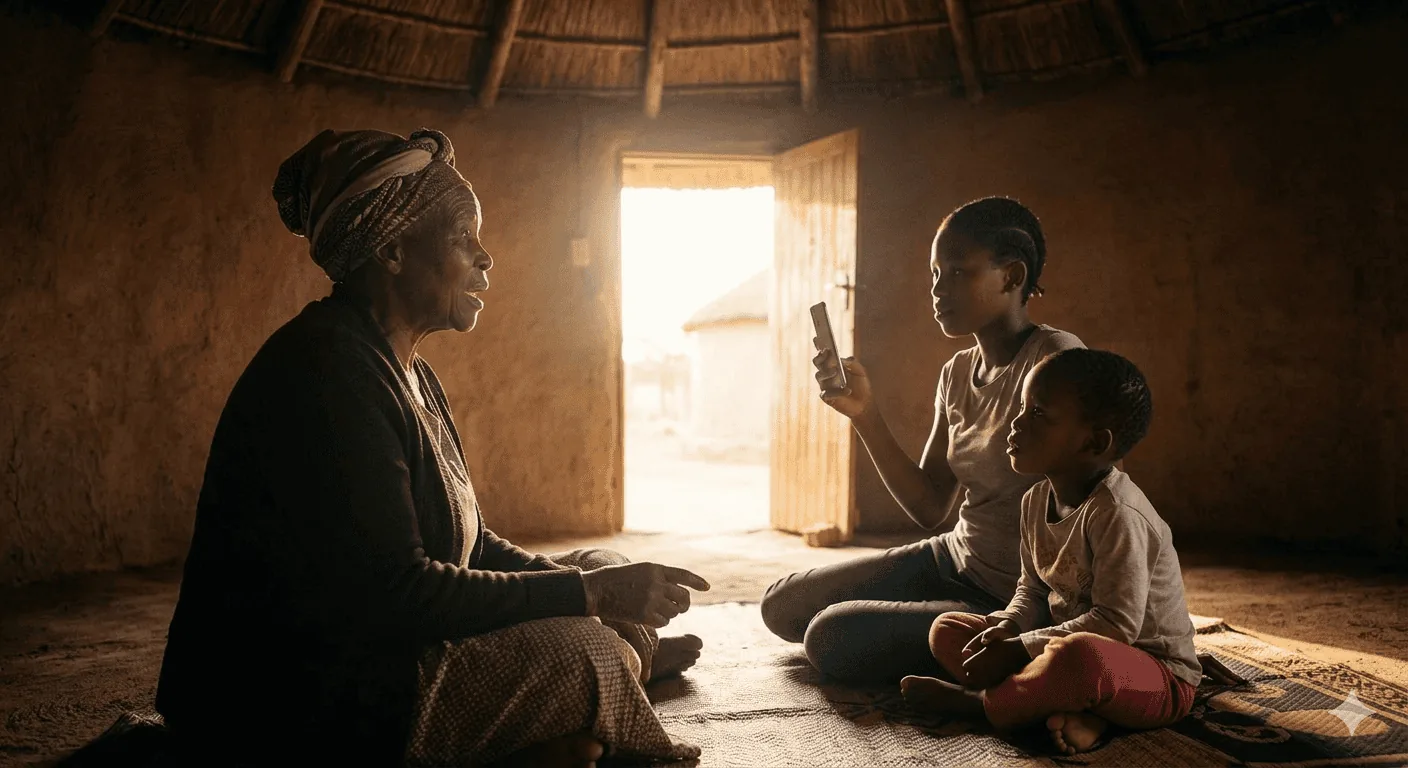
One of the richest sources of memory is the extended family — particularly older relatives who knew the deceased across the full span of their life. Ask them specific questions rather than open-ended ones. "What do you remember about their childhood?" is harder to answer than "What was the funniest thing they ever did?" or "What did they do on a typical Sunday?"
A WhatsApp voice note from a grandmother describing her memory of the deceased is infinitely more valuable than a typed summary. Consider collecting these voices and adding them to the memorial, or transcribing them into the biography section.
Ask siblings, children, friends, and colleagues separately — each person carries a different facet of who someone was. A childhood friend remembers the person the family never knew. A colleague knew a professional side that family rarely saw. A grandchild remembers the tenderness that adults sometimes forget to mention.
Create a WhatsApp group specifically for gathering tribute content — name it something like "Tribute for [Name]" and invite family and close friends. Ask them to share photos, memories, and voice notes at their own pace over a few days. You will be surprised how much comes in, and how much it helps people feel they have contributed to honouring the person they lost.
The Role of Photographs in Remembrance
A photograph can preserve what no words can fully capture. The way someone stood, the warmth in their eyes, the way they held a grandchild — these things exist only in images. Gathering and curating photographs is one of the most important things you can do for a memorial.
In many South African families, printed photographs are stored in albums or shoeboxes and have never been digitised. After a death, the most valuable photographs are often discovered in physical form in the deceased's home. Before distributing or discarding these, photograph them with a phone — the camera quality on modern smartphones is more than sufficient for preserving memories.
When selecting photos for the memorial, aim for variety: a portrait from different life stages (young, middle-aged, older), family group photos, and at least one image that shows the person doing something they loved. The goal is not to select only the most flattering photos, but the most revealing ones — the images that show who they were.
Sharing Memories Across South Africa
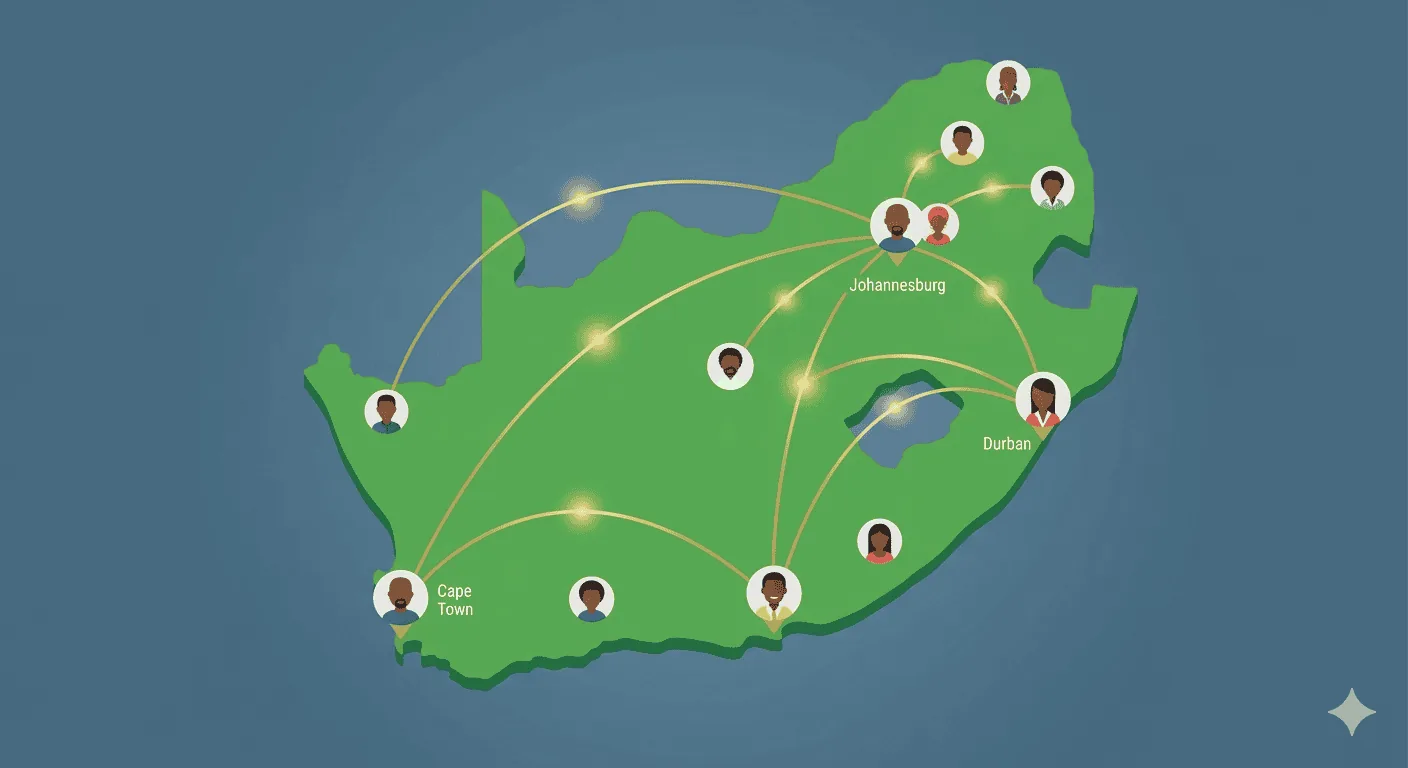
South African families are spread across vast distances. A digital memorial makes it possible for every family member — whether they are in Cape Town or Limpopo, Johannesburg or the UK — to access the same memorial, contribute to it, and carry the memory of their loved one wherever they are.
A single link shared on WhatsApp reaches everyone simultaneously. The link can be opened on any phone, at any time, at no cost. For family members who cannot attend the funeral in person — because of distance, cost, disability, or employment — the digital memorial becomes the way they say goodbye and stay connected to the family's shared grief.
Digital Memorials vs. Social Media Posts
A Facebook post, no matter how heartfelt, is not a memorial. It will be buried by other content within hours, and eventually the account itself may be deactivated, hacked, or simply abandoned. The platform decides what happens to your content — not you.
A dedicated memorial page, by contrast, has a permanent, human-readable URL. It belongs to the family. It does not disappear into an algorithm. It does not mix with unrelated content. It exists for exactly one purpose: to honour the person you lost.
Twenty years from now, a grandchild who wants to know about their great-grandmother can open a memorial page and read her story, see her face, and understand something of who she was. That is not possible with a social media post. It is possible with TributePoint.
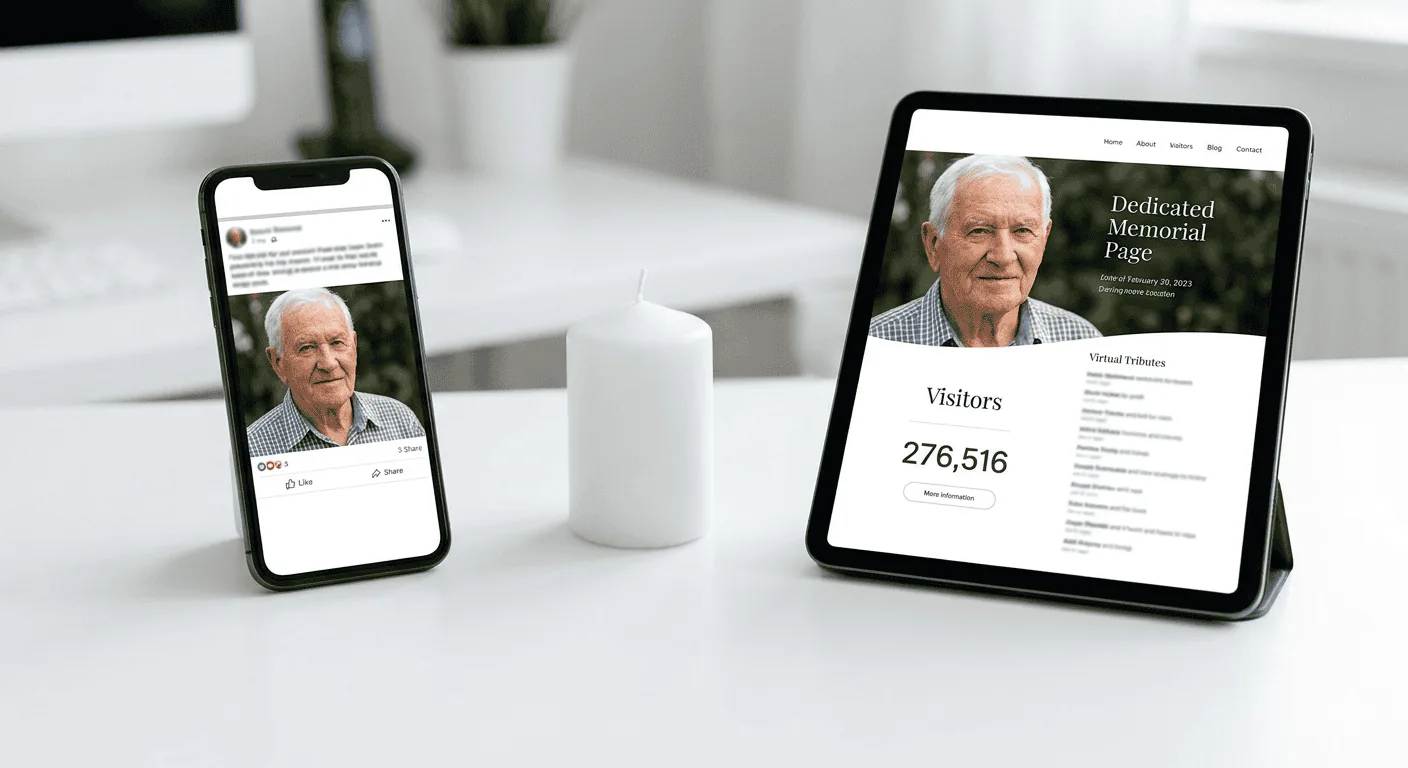
Preserve Their Story — Free, Forever
TributePoint gives you a dedicated, beautifully designed memorial page where every photo, story, and memory can live permanently — accessible by family across South Africa and the world.
Create a Free Legacy Memorial PageHow TributePoint Helps Families Preserve Memory
TributePoint was designed specifically for South African families who want to honour their loved ones without complicated technology, expensive subscriptions, or advertising that feels disrespectful to the occasion.
The platform lets you build a tribute at your own pace — you do not have to complete everything immediately after the loss. Start with the basics (name, dates, funeral details) and build out the biography and photo gallery as you gather more from family. Save your progress and return whenever you are ready.
Once completed, the tribute page gives your loved one a permanent, dignified place on the internet — a page that begins with their name, tells their story, shows their face, and honours the life they lived. That is the memorial they deserve.
Recording Voices Before They Are Gone
One of the most important — and most often overlooked — preservation tasks is capturing the voice of older family members before a death, while there is still time. In South African oral tradition, the elders are the keepers of the family story. When a grandmother in Bizana or a tatomkhulu in Vryheid passes, decades of family history can disappear in a single weekend if no one ever sat down to record what they knew.
You do not need professional equipment. The voice memo app on any modern smartphone is more than sufficient. What matters is asking the right questions and being willing to sit and listen for an hour or two. The most useful prompts we have seen families use include:
- What is your earliest memory?
- How did your parents meet, and what kind of work did they do?
- Where did you go to school, and who were your friends?
- What was the hardest year of your life, and how did you get through it?
- What advice would you want your great-grandchildren to know?
- Tell me the story of how you met your husband or wife.
- Which family members do you still think about, and what do you remember about them?
These recordings can later be embedded in a memorial page, transcribed into a written family history, or simply kept in a shared family Google Drive folder where children and grandchildren can return to them whenever they want to hear that voice again. Many families discover, painfully, that they do not have a single recording of a parent’s laugh after the funeral. A 30-minute conversation today prevents that.
Restoring Old South African Family Photographs
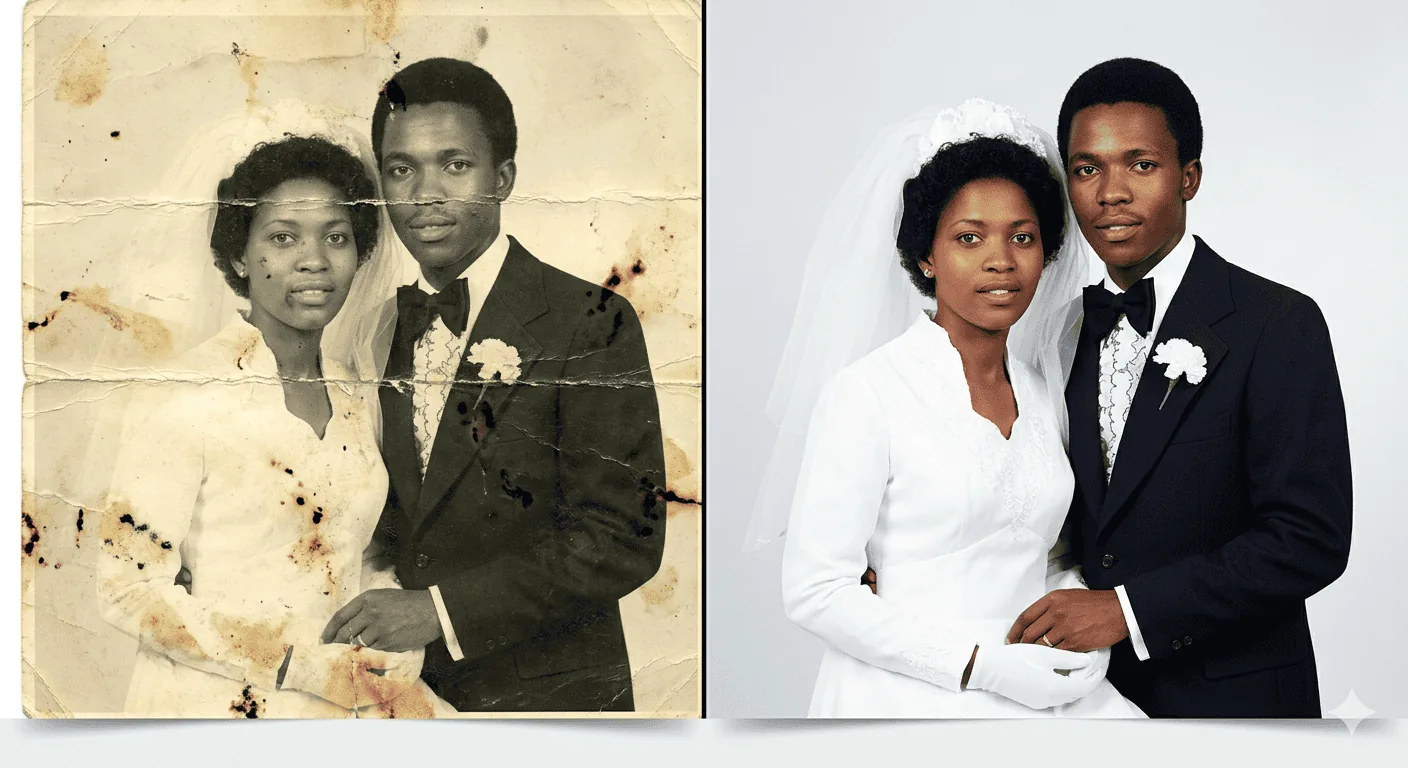
Most South African families have a box of photographs somewhere — in a wardrobe, on top of a kist, in an old biscuit tin. Many of these photographs are 30, 40, even 60 years old, and they are deteriorating. Coastal humidity in Durban or East London is particularly destructive. Photos taken with the kind of cheap film cameras common in the 1970s and 1980s often have colour shifts, scratches, and water damage by now.
Before any photo restoration, the first priority is simple digitisation. Lay each photo flat on a clean table near a window with even daylight (not direct sun), and photograph it with a smartphone held parallel to the surface. Apps like Google PhotoScan are specifically designed for this and remove glare automatically. Once digitised, the photo is safe even if the original is later lost or damaged.
For more serious restoration — tears, missing corners, severe fading — there are now affordable options that did not exist five years ago:
- Free AI tools like Remini, GFPGAN, and the photo restoration features in Google Photos can dramatically improve faded or damaged faces in seconds.
- Local photo studios in Johannesburg, Cape Town, Durban and Pretoria offer professional restoration from R150–R500 per photograph — well worth it for one or two irreplaceable family images.
- The deceased’s own digital archive — iCloud, Google Photos, Facebook, WhatsApp media folder — is often a goldmine. With permission from the executor, recovering these photos before the account is closed should be a high priority.
The Role of Ukubuyisa, Umemulo and Tombstone Unveilings in Memory Keeping
In many South African cultures, remembrance does not end with the funeral. Among Zulu, Xhosa, Sotho, Tswana and Pedi families, ceremonies held months or years later play a central role in how a person is remembered — and these are perfect moments to add new chapters to a digital memorial.
The tombstone unveiling (umembeso wetshe / ho phahlolwa ha lebitla) typically takes place 12–24 months after burial, when the family has saved enough to commission and erect a proper stone. This is a major family gathering, and the photographs, speeches, and family who attend become part of the deceased’s ongoing story. Adding these to the memorial page means future generations can see the full arc of remembrance.
The Zulu ukubuyisa ceremony — the ritual of bringing the spirit of the deceased back home to be among the ancestors — is similarly an important milestone. Read more in our detailed guide on Zulu funeral traditions and customs.
For Christian families, annual memorial services on the anniversary of the death (sometimes called “the unveiling of the year”) serve a similar purpose — gathering family to remember, light candles, and tell stories. Each of these moments deserves to be captured and added to the family record.
Common Mistakes When Preserving Family Memory
- Trusting Facebook, WhatsApp, or Instagram alone. These platforms can be deactivated, suspended, or shut down. Storing precious memories only on social media is the digital equivalent of writing your family history on a chalkboard.
- Not labelling photographs. A photo of three smiling people is worthless if no one knows who they are. Take ten minutes to write names, dates, and places on the back of physical prints, or in the file metadata for digital images.
- Losing access to the deceased’s phone or email. The day after a death, ask the executor to write down the phone PIN, email password, and any cloud account passwords. Within weeks, providers begin locking accounts — and the photos inside them are gone forever.
- Keeping memories private to the immediate family. Cousins, in-laws, and old friends often have photos and stories the immediate family has never seen. Inviting them to contribute through a memorial page enriches the record enormously.
- Waiting for the “right time” to start. The right time was a decade ago. The next best time is today.
Frequently Asked Questions
How do I get my family members to contribute photos and memories?
Create a small WhatsApp group named for the deceased, invite the people you want to contribute, and post a clear brief: “Please share any photo, story, or memory you have of [name]. No memory is too small.” Pin the link to the memorial page in the group. Most families receive 80% of contributions in the first 48 hours.
What if the deceased’s phone is locked and we cannot access their photos?
For Apple devices, you can request data through Apple’s Digital Legacy program if the deceased nominated a Legacy Contact, or by submitting a court order. For Google accounts, use the Inactive Account Manager request process. South African banks and law firms can help with the formal documentation.
Can a TributePoint memorial page hold video?
Yes. You can embed video tributes, slideshow montages, and audio clips alongside the written memorial. See how to share a tribute with family far away for practical sharing tips, and our digital memorial guide for the full feature overview.
How do we make sure our children find this memorial in 30 years?
Three steps: print the memorial URL on the funeral programme, save the URL to the family Google Drive or iCloud account that several relatives have access to, and consider buying a small registered domain name (R150 per year) that redirects to the memorial. Together these create redundancy that survives long-term.

Ayesha Daniels is a Family Support Writer at TributePoint. She covers grief, remembrance, and the ways families can stay connected and supported before, during, and after a funeral.
Also helpful: Honour a loved one who passed in the past with a free Legacy Memorial Page, or create a tribute for an upcoming funeral. Explore more practical support in our South African funeral guides.