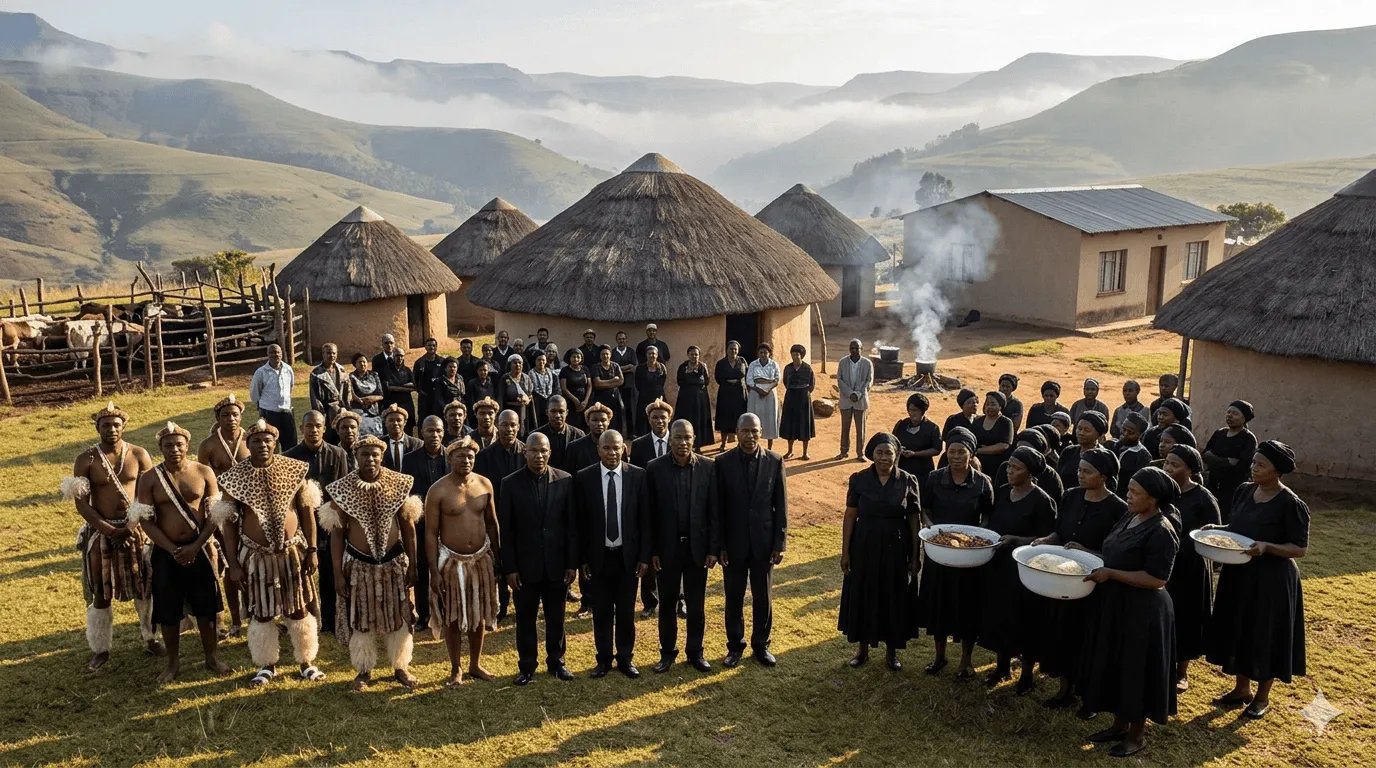
In Zulu culture, death is not an ending - it is a transition. The deceased joins the amadlozi (ancestors), a spiritual community that watches over and guides the living. Funeral customs are not simply rituals of grief; they are carefully structured practices that protect the family, honour the departed, and ensure a safe passage into the ancestral realm. This guide explains each tradition, why it matters, and how modern Zulu families navigate these customs today.
The Role of Ancestors in Zulu Belief
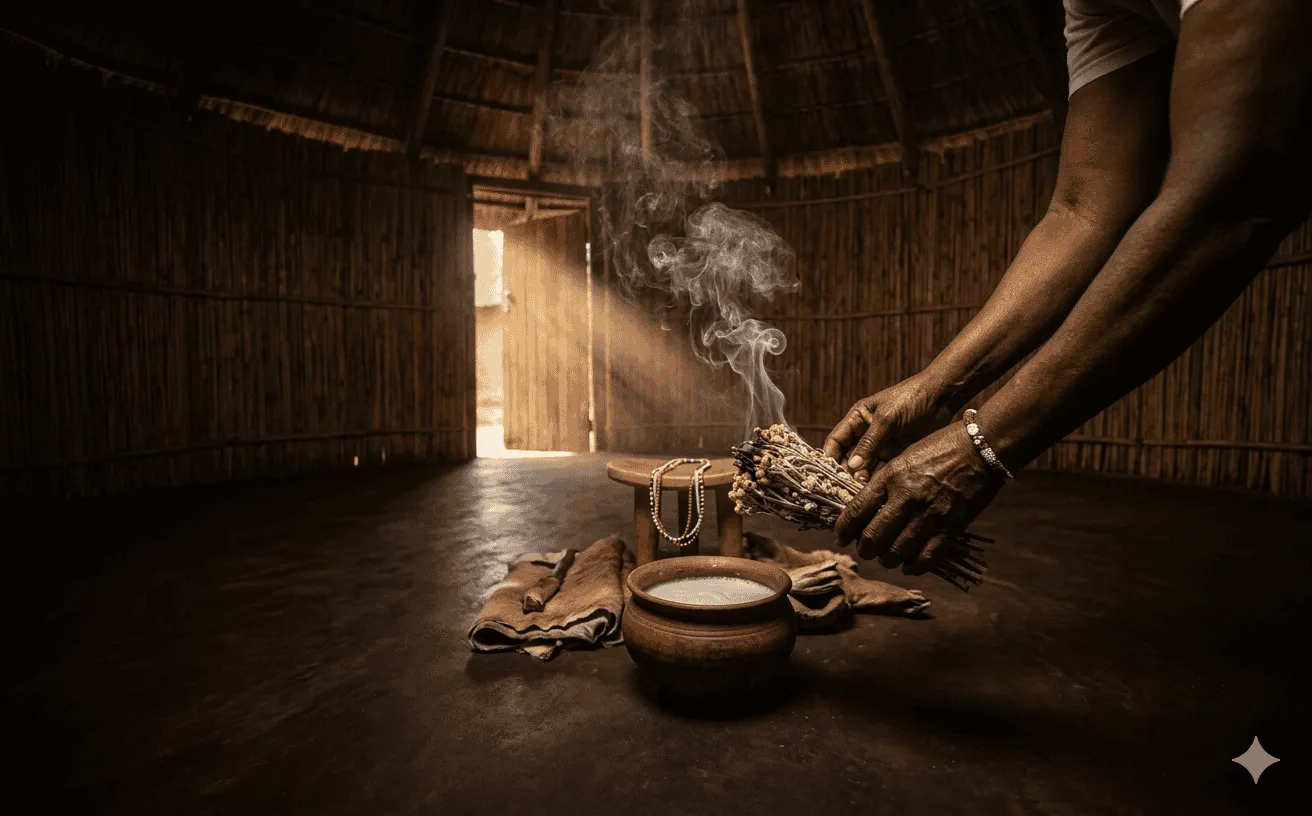
To understand Zulu funeral traditions, you must first understand amadlozi. The Zulu people believe that when a person dies, their spirit does not disappear - it joins the collective of family ancestors who exist in a spiritual dimension closely connected to the living world.
Ancestors are not distant or abstract. They are specific, named family members - a grandmother, a father, an uncle - who are believed to influence daily life: protecting children, guiding decisions, warning against danger through dreams, and expressing displeasure through illness or misfortune when they are neglected.
This belief shapes every aspect of Zulu funeral practice. The body must be treated with respect because it is the vessel of a future ancestor. The burial must happen correctly so the spirit can find its way. And the ceremonies that follow - sometimes months later - formally welcome the deceased into the ancestral community.
Professor Harriet Ngubane's foundational ethnographic work, Body and Mind in Zulu Medicine, published by Academic Press, remains one of the most cited academic sources on Zulu spiritual beliefs relating to illness, death, and ancestral communication.
When a Death Occurs: The First Hours
When a Zulu family member dies, several things happen in immediate succession:
Notification of the family
Close family members are notified in person wherever possible - not by phone and certainly not by text message. The eldest son or the family's umnumzane (male head of household) takes responsibility for informing relatives. In urban areas where family is spread across provinces, phone calls are accepted - but the news is always delivered gently, often beginning with a phrase like "Ngiyaxolisa, kodwa..." ("I am sorry, but...").
Darkening the home
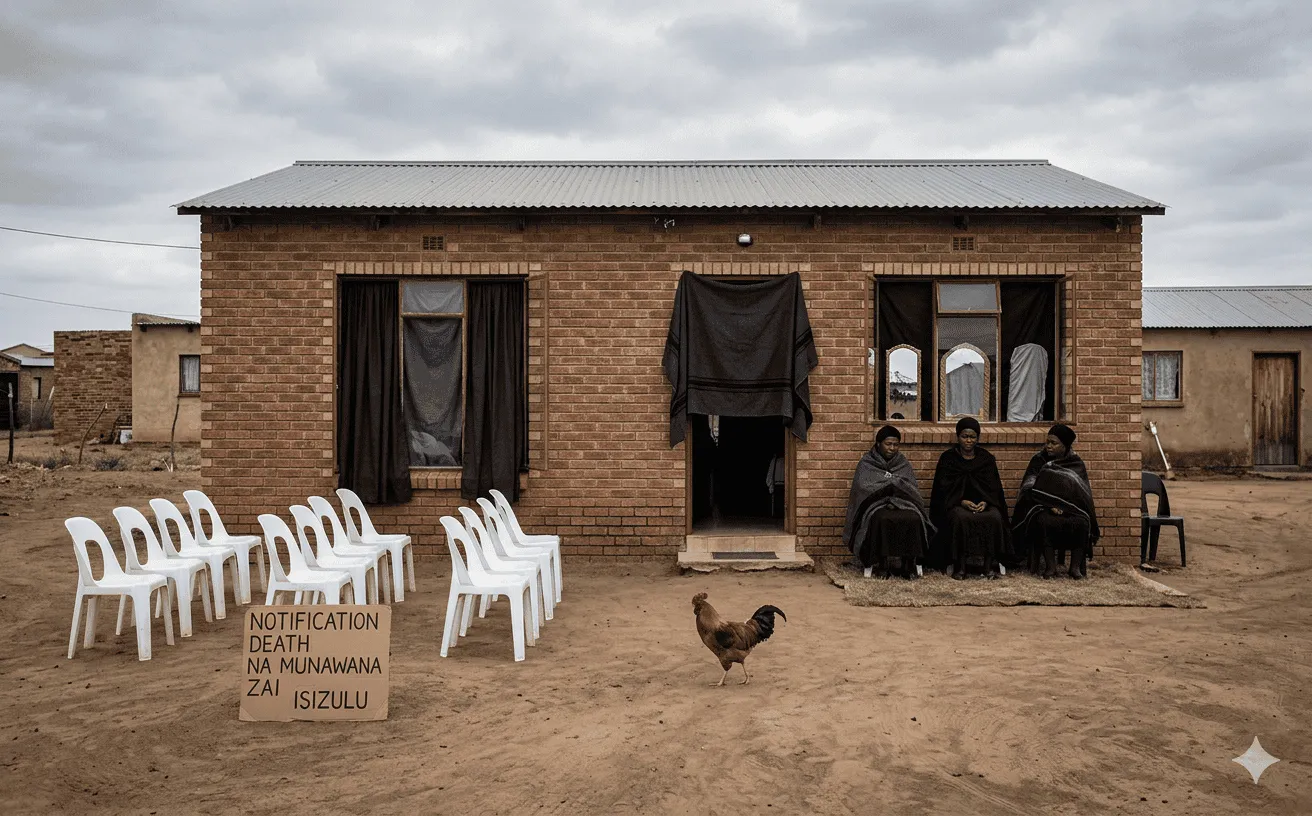
In traditional practice, mirrors in the bereaved home are covered or turned to face the wall. Curtains are drawn. Some families remove photographs of the deceased from display - not out of disrespect, but to discourage the spirit from lingering in the home before it has been properly guided to join the ancestors.
Notifying the ancestors
The family elder speaks aloud to the ancestors at the umsamo - a sacred area at the back of the main house (traditionally the indlu, the round hut). The elder informs the amadlozi that a family member has died and asks them to receive the deceased. This step, though invisible to outsiders, is considered essential. Without it, the spirit may become confused and wander - a state known as being an idlozi elilahlekile (lost ancestor).
Zulu funeral traditions vary by region (KwaZulu-Natal urban vs. rural), family lineage, and the degree of Christian influence. A family in Nongoma may follow every custom described here in full; a family in Durban may adapt selectively. Both are valid - tradition is not monolithic, and Zulu culture has always evolved while maintaining its core principles.
Umkhuleko: The Night Vigil
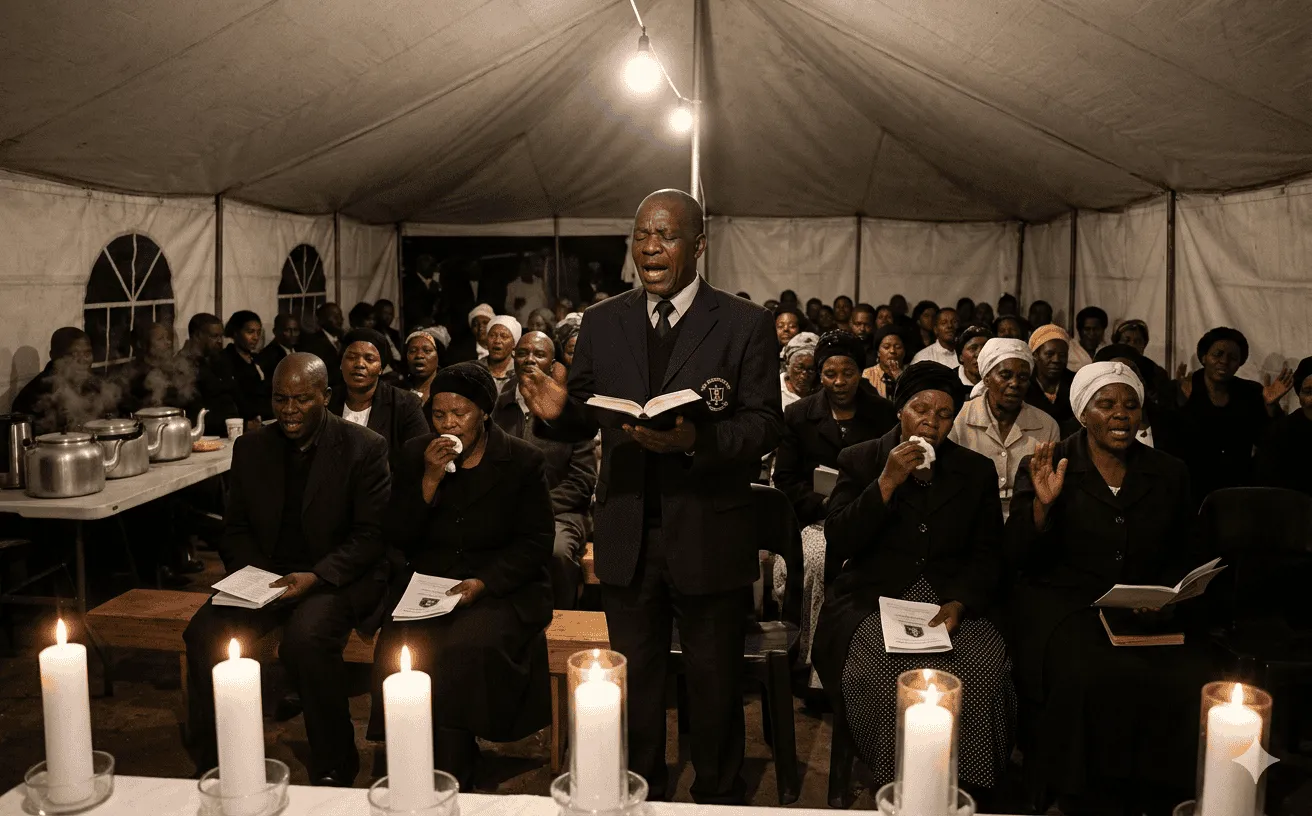
The umkhuleko (night vigil, also called umlindelo) is held the night before the funeral - typically a Friday night, with the funeral on Saturday morning. It is one of the most emotionally significant events in the entire funeral process.
What happens at the vigil
Community members - neighbours, church members, friends, colleagues, and extended family - arrive at the bereaved home from late afternoon. The gathering continues through the entire night. Activities include:
- Hymn singing. Zulu hymns (amaculo) are sung continuously throughout the night, often led by the church choir or women's groups. The hymns are slow, deep, and harmonised in the rich four-part style characteristic of Zulu choral music.
- Prayer. Ministers, pastors, or church elders lead prayers at intervals. If the family follows traditional practice alongside Christianity, prayers may be directed both to God and to the ancestors.
- Scripture readings and sermons. Short sermons offer comfort and place the death in spiritual context.
- Eulogies and memories. Family members and friends share stories about the deceased - often alternating between tears and laughter.
- Food. Community women prepare and serve food throughout the night. Tea, bread, and cooked meals are standard. In rural areas, a cow or goat may be slaughtered specifically for the vigil.
The vigil is not a formal event with a dress code. People arrive in whatever they are wearing. Some sit on chairs, others on the floor. Children fall asleep on blankets. The purpose is presence - simply being there with the family through the darkest night.
The significance of staying awake
Staying through the night is believed to protect the bereaved family. In traditional understanding, the hours between death and burial are spiritually vulnerable - the spirit of the deceased is still present, and the family needs the collective spiritual strength of the community to keep them safe. The hymns, prayers, and communal presence form a kind of spiritual shield.
The Funeral Service
Zulu funerals typically take place on Saturday mornings, beginning early - often at 6:00 or 7:00 AM. The early start ensures the burial is completed before noon, which is important in traditional belief: the body should be in the ground before the sun reaches its peak.
The service structure
Most modern Zulu funerals blend Christian and traditional elements:
- Opening hymn and prayer. The service begins with a Zulu hymn - "Lizalis' idinga lakho" or "Nkosi Sikelel' iAfrika" are common choices.
- Scripture readings. Typically from Psalms 23 ("The Lord is my shepherd...") or John 14 ("In my Father's house are many rooms...").
- Eulogies. Family members, friends, and community leaders speak. In Zulu tradition, the eulogies (amazwi) are deeply personal and often long. It is not unusual for 6-10 people to speak.
- The obituary reading. A family representative reads the official obituary, which includes the deceased's izithakazelo (clan praises), family tree, education, career, and survived-by list.
- The sermon. A pastor or minister delivers the main address.
- Viewing of the body. Guests file past the open coffin to pay their last respects. This is an emotionally intense moment and is handled with great solemnity.
- Closing hymn and prayer. The coffin is closed and prepared for transport to the cemetery.
Izithakazelo: Clan praises
One of the most distinctive elements of a Zulu funeral is the recitation of izithakazelo - the clan praises that trace the deceased's lineage back through generations. Every Zulu person belongs to a clan (such as Zulu, Buthelezi, Mkhize, Dlamini, or Ngcobo), and each clan has a set of praise names that identify their ancestors.
For example, a member of the Zulu clan might be praised as: "Zulu kaMalandela, kaLuzumane, kaMnguni..." - tracing the line back through historical leaders. The recitation is performed by an elder or family member with knowledge of the lineage, often from memory.
The izithakazelo serve a dual purpose: they honour the deceased by placing them within the unbroken chain of their ancestors, and they inform the amadlozi exactly who is arriving in the spiritual realm.
The Burial
Burial is the standard practice in Zulu culture - cremation is generally not accepted. The body is returned to the earth, ideally at the family homestead or a cemetery close to the family's place of origin.
Grave digging
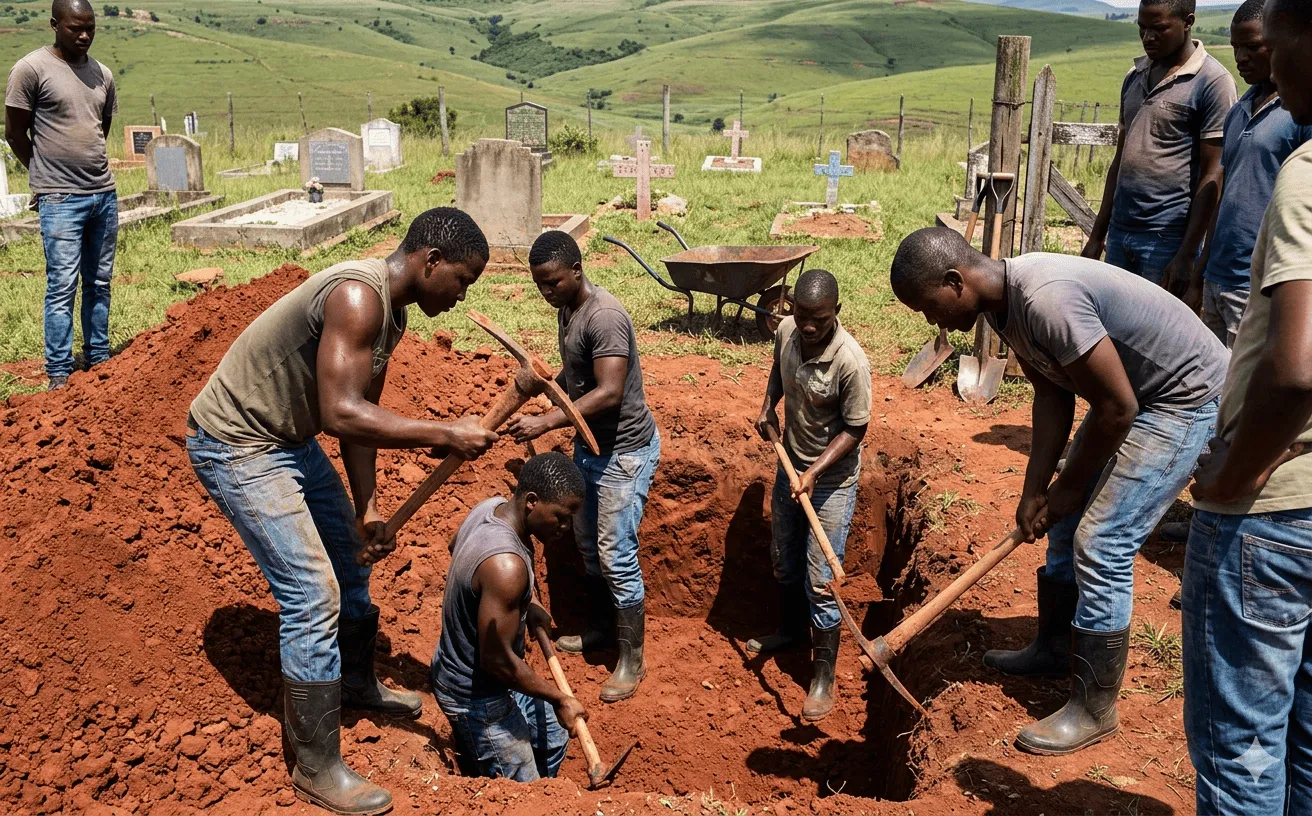
In rural KwaZulu-Natal, the grave is typically dug by male family members and community men - often starting the day before the funeral. This is not seen as labour but as an act of service and respect. The men work together, taking turns, and are fed by the women of the community. In urban areas, cemetery workers dig the grave, but family members often insist on throwing the first shovels of soil during the burial itself.
The burial process
At the graveside, hymns are sung as the coffin is lowered. Family members - starting with the eldest - throw handfuls of soil onto the coffin. Some families place items in the grave: a favourite blanket, a walking stick, or personal belongings that the deceased used. These items are believed to accompany the spirit.
Once the coffin is covered, men fill the grave completely while hymns continue. A mound of earth is shaped over the grave and sometimes marked with stones or a temporary cross. The tombstone comes later - months or even a year after the burial.
Direction of burial
In traditional practice, the body is positioned so the head faces west and the feet face east - toward the rising sun. This orientation is rooted in Zulu cosmology, where the east represents life and renewal, and the west represents the realm of the ancestors. According to research published by the University of KwaZulu-Natal, this east-west orientation has been documented in Zulu burial sites dating back centuries.
Inhlambuluko: Cleansing After the Funeral
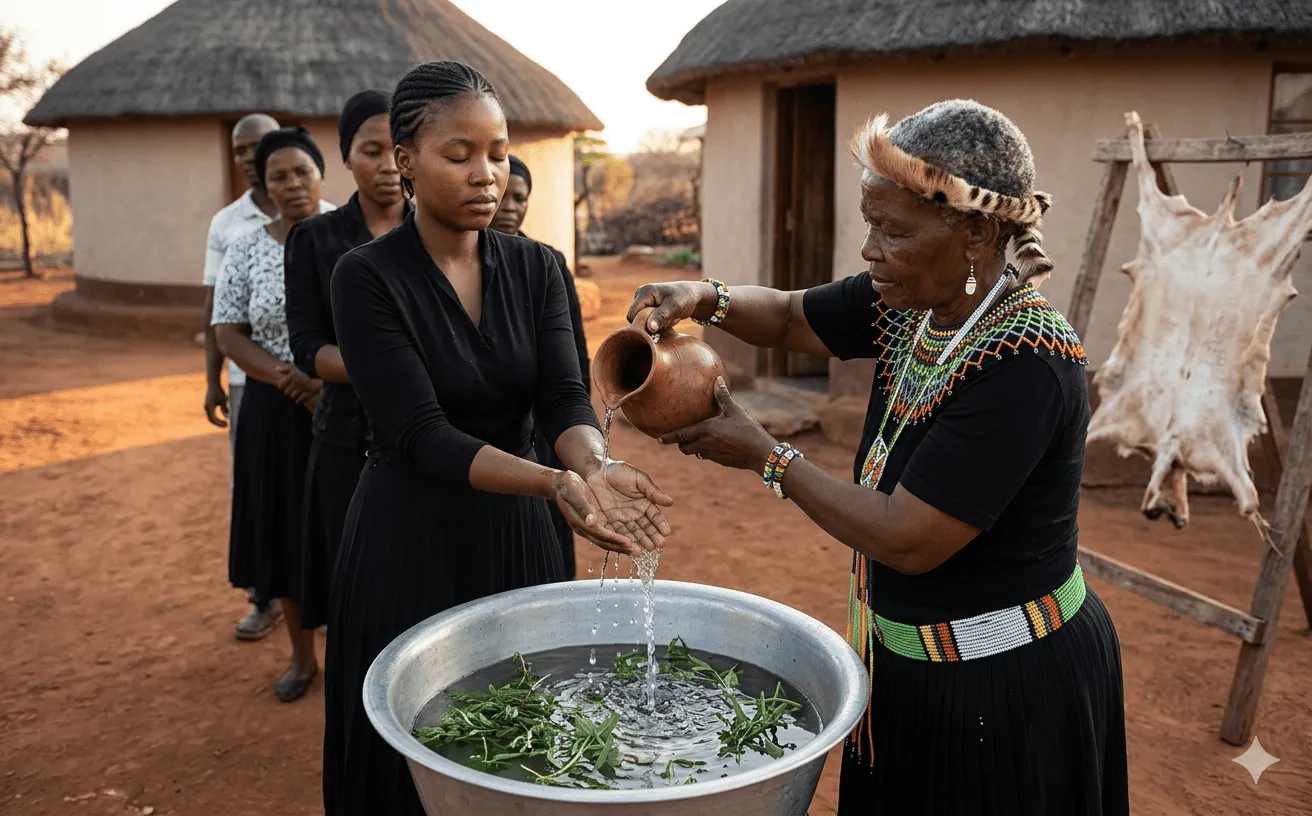
After the burial, mourners return to the family home for a ritual cleansing called inhlambuluko or ukugeza (to wash). This is a deeply important step that marks the boundary between the funeral and the return to daily life.
Traditionally, all attendees wash their hands with water mixed with umuthi (traditional medicine) - often the herb insizi or aloe - before entering the house. In modern practice, this may be simplified to washing hands with soap and water. The symbolism is the same: you are washing away the spiritual contamination of death before re-entering the world of the living.
After cleansing, the after-tears meal is served. The community eats together, and the tone gradually shifts from grief to support, comfort, and even cautious laughter as stories about the deceased are shared more freely.
The Mourning Period
Zulu mourning (ukulila) follows structured rules, particularly for widows:
For a widow (umfelokazi)
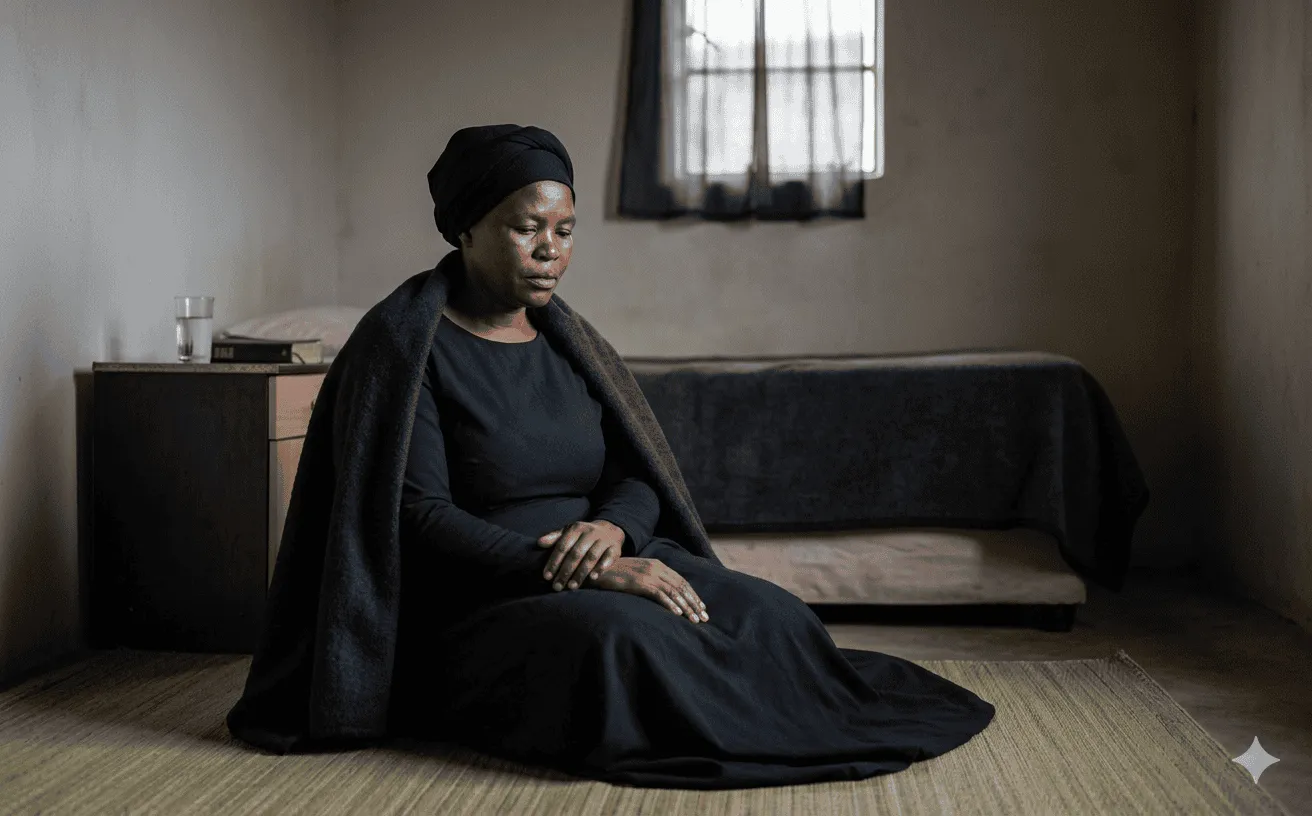
A widow traditionally mourns for one year. During this period, she wears dark clothing - black or navy - and may wear a iduku (headcloth). She avoids social gatherings, does not attend celebrations, and limits her movements. In some families, a widow stays entirely within the homestead for the first month.
The one-year mourning period is gradually being shortened in urban contexts. Many modern Zulu families observe 6 months, and some women negotiate the terms with their in-laws based on their work and family responsibilities. The Recognition of Customary Marriages Act protects women's rights within these negotiations.
For other family members
Children, siblings, and parents typically mourn for shorter periods - often 3-6 months. The outward signs may be less visible (a black button pinned to clothing, avoiding bright colours) but the emotional weight is just as real.
Restrictions during mourning
- Mourners do not attend weddings, parties, or celebrations
- Music, television, and loud noise are minimised in the home
- Sexual activity is avoided
- The bereaved may not visit other people's homes (especially where there are newborn babies)
- Certain foods may be avoided - this varies by family
Ukubuyisa: Bringing the Spirit Home
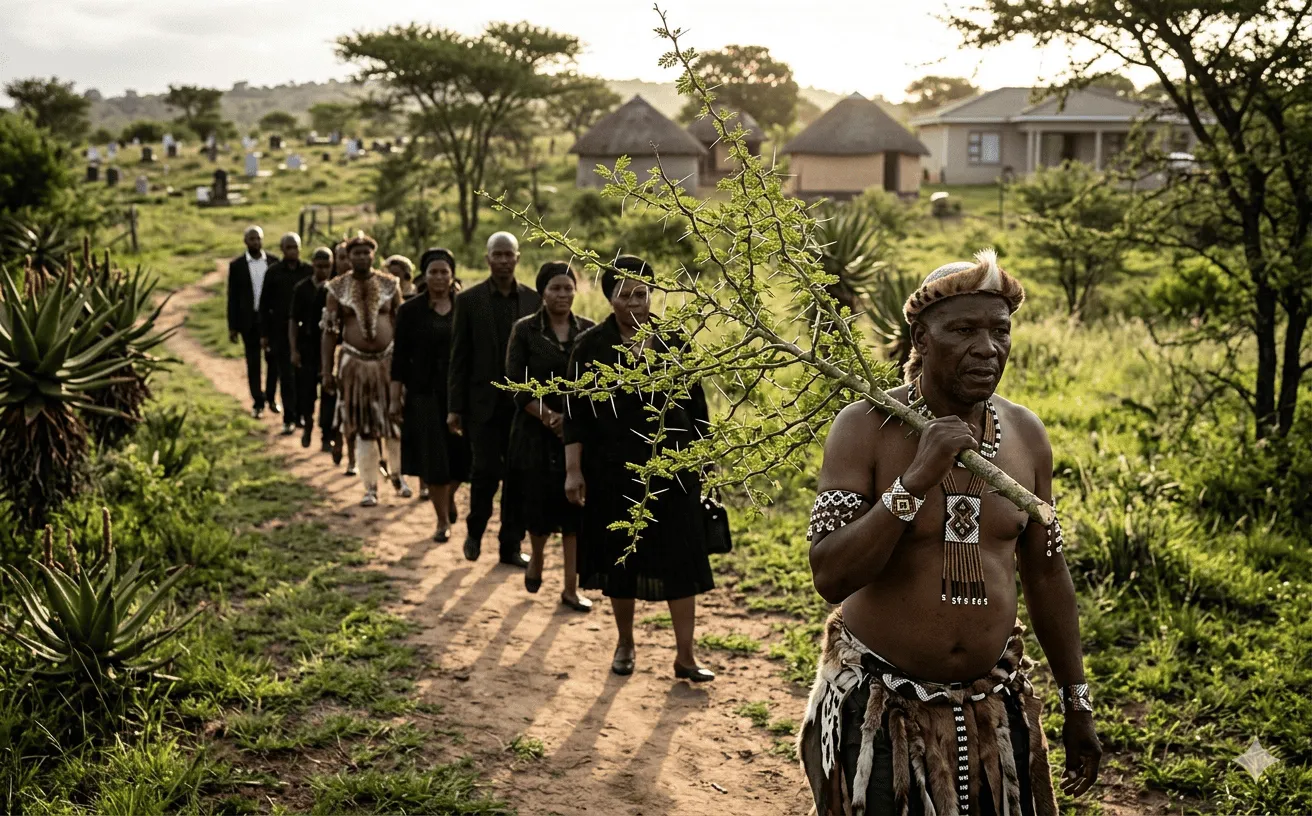
Perhaps the most spiritually significant ceremony in the entire Zulu funeral cycle is ukubuyisa - the ritual that "brings the spirit home." This takes place months after the burial, typically coinciding with the end of the mourning period or the unveiling of the tombstone.
What happens at ukubuyisa
The family elder travels to the grave - sometimes in the early hours of the morning - and speaks directly to the deceased, inviting them to come home, to take their place among the amadlozi, and to watch over the family. A branch from the umlahlankosi tree (Buffalo Thorn, Ziziphus mucronata) is placed on the grave to "carry" the spirit. The branch is then brought back to the homestead and placed at the umsamo.
A goat or cow is slaughtered to welcome the spirit. The ceremony includes prayers, speeches, and a communal feast. From this point forward, the deceased is formally an ancestor - connected to the family in a spiritual role.
Why the Buffalo Thorn?
The umlahlankosi (Ziziphus mucronata) is considered a sacred tree in Zulu and other Nguni cultures. Its thorns grow in pairs - one curved backward and one pointing forward - symbolising the connection between past and future, between the living and the dead. The tree is protected under South African environmental law and holds deep significance across multiple southern African cultures. The South African National Biodiversity Institute (SANBI) recognises it as one of South Africa's most culturally significant indigenous trees.
Many urban Zulu families who bury their loved ones far from the ancestral homestead adapt the ukubuyisa ceremony. The spirit may be "fetched" from a Johannesburg cemetery and symbolically transported to the family home in Nongoma or Ulundi. Some families combine the ukubuyisa with the tombstone unveiling to minimise travel for far-flung relatives.
The Tombstone Unveiling
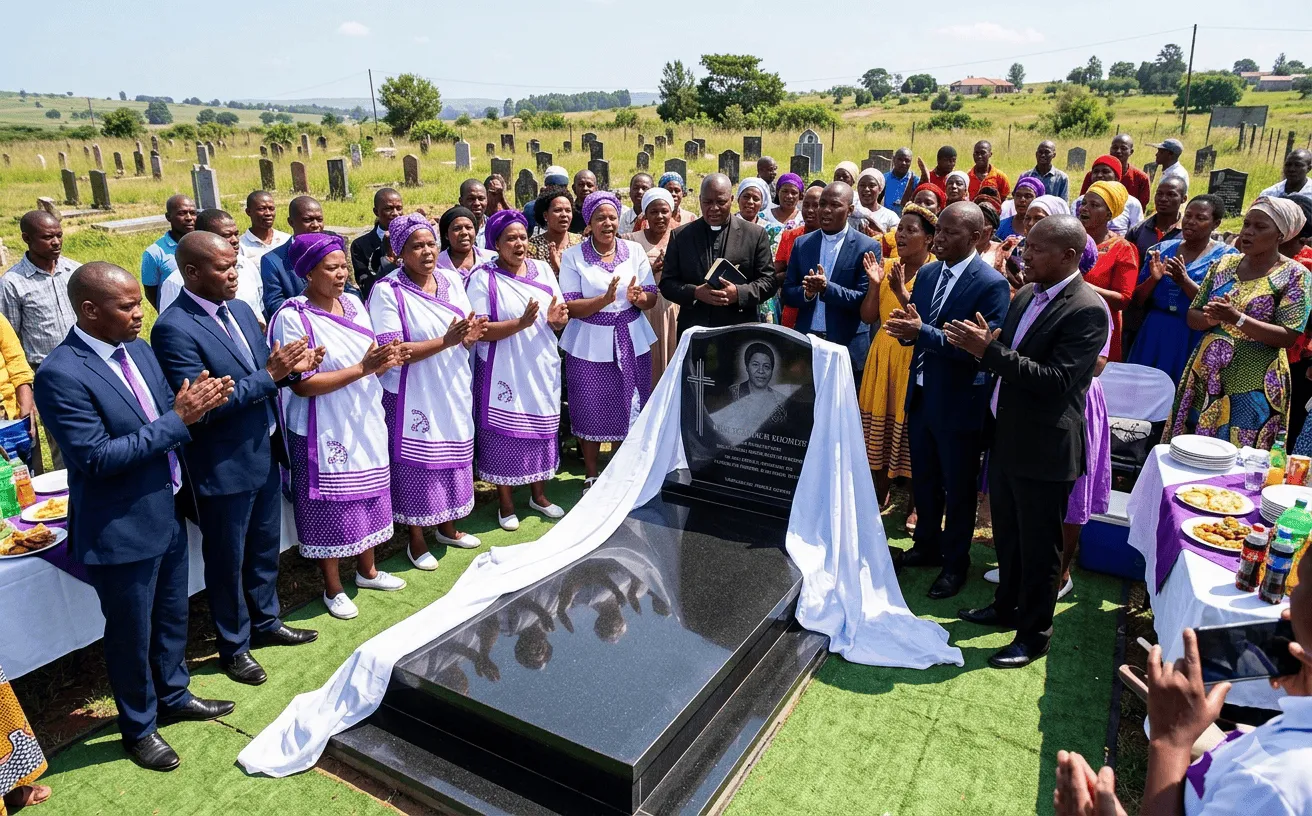
The unveiling of the tombstone (ukwembula itshe) is a major family event - often treated as a celebration rather than a sombre occasion. It typically takes place 6-12 months after the burial.
The tombstone is covered with a cloth or drape. Family members gather, prayers are said, and then the cloth is removed to reveal the inscribed stone. This moment carries deep emotional weight - it is the family's permanent, physical marker that someone lived and was loved.
After the unveiling, a feast is held. Unlike the funeral meal, this gathering is lighter in mood. It marks the formal end of the mourning period and the beginning of a new chapter - one where the deceased is remembered with love rather than raw grief.
Preserve Their Memory Digitally
A digital memorial page complements the physical tombstone - preserving photographs, the obituary, clan praises, and messages of condolence in a permanent, accessible space that the whole family can visit from anywhere.
Create a Free Memorial PageHow Modern Life Is Changing Zulu Funeral Customs
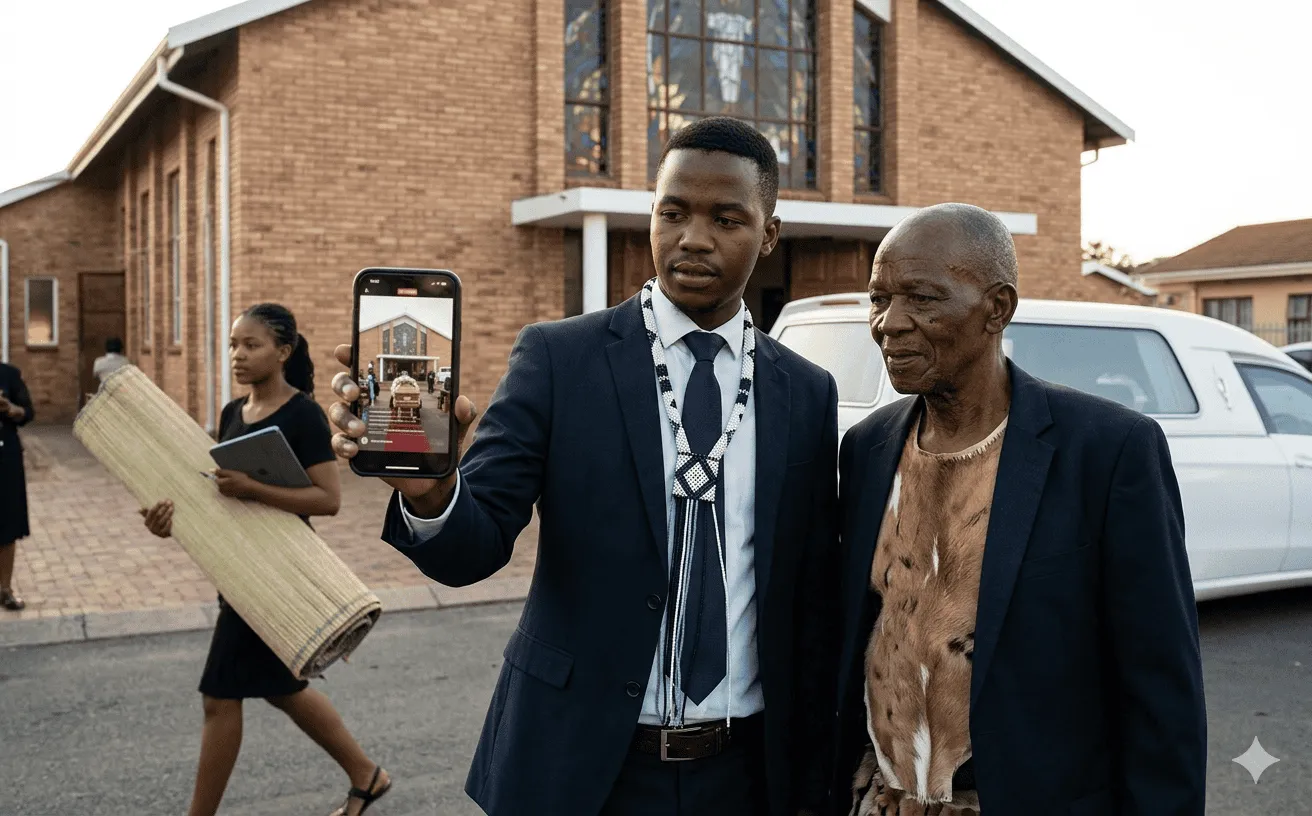
Urbanisation, Christianity, and economic pressure are all reshaping Zulu funeral traditions. These changes do not mean traditions are disappearing - they are evolving, as they always have:
- Shorter vigils. In urban areas, vigils may start later (9 PM instead of 5 PM) and some families hold a "half-night" vigil rather than staying until dawn.
- Digital communication. Funeral details are shared on WhatsApp rather than through in-person visits. Some families create digital memorial pages that include the obituary, izithakazelo, and funeral logistics.
- Combined ceremonies. Ukubuyisa and the tombstone unveiling are increasingly held on the same day to reduce the cost and travel burden.
- Shorter mourning periods. Working women, in particular, are negotiating shorter mourning periods. Employment law does not recognise extended mourning, and many women cannot afford to be absent from work for months.
- Funeral insurance. The financial burden of a traditional Zulu funeral - slaughtering cattle, feeding hundreds of guests, erecting a tombstone - has made funeral insurance almost universal in Zulu households. Multiple policies per family are common.
Attending a Zulu Funeral as a Guest
If you are attending a Zulu funeral for the first time and come from a different cultural background, here are practical guidelines:
- Dress respectfully. Dark, conservative clothing. Women should cover their shoulders and may want to bring a headscarf, though it is not always required in modern contexts.
- Arrive for the vigil if you can. Your presence at the umkhuleko means more than a text message.
- Greet the family. Approach the immediate family, offer brief condolences, and shake hands. A simple "Ngiyakhalela" ("I grieve with you") is appropriate.
- Bring something. Food, sugar, tea, or a financial contribution in an envelope is customary. Ask a mutual friend what is appropriate if you are unsure.
- Follow the crowd. If you do not know the customs, observe what others do - when to stand, sit, sing, or move to the graveside. Nobody will judge you for being unfamiliar; they will appreciate that you came.
Frequently Asked Questions
Do all Zulu people follow these traditions?
No. Zulu culture is diverse. Some families are deeply traditional; others are primarily Christian and follow church-based funeral practices with minimal traditional elements. Most families blend both to varying degrees.
Is cremation acceptable in Zulu culture?
Generally, no. Traditional Zulu belief holds that the body must be returned to the earth and that cremation prevents the spirit from joining the ancestors. However, a small number of urbanised Zulu families have begun choosing cremation for practical reasons.
What is the cow slaughter for?
An animal - usually a cow or goat - is slaughtered to mark significant moments: the night vigil, the burial meal, and especially the ukubuyisa ceremony. The act of slaughter communicates with the ancestors and provides food for the community. The animal's bile (inyongo) may be used ritually, and the meat is shared among all present.
How long does the full funeral cycle last?
From death to ukubuyisa, the full cycle can span 6-12 months. The funeral itself typically occurs within a week of death. The mourning period lasts 3-12 months depending on the mourner's relationship. The tombstone unveiling and ukubuyisa follow when the family is financially and emotionally ready.

Thabo Dlamini is TributePoint's Cultural Traditions Researcher. He writes about South African funeral customs, etiquette, and faith traditions so families can plan with confidence and cultural respect.
Also helpful: Create a TributePoint memorial page when you are ready to share service details, or explore more practical support in our South African funeral guides.