When a loved one dies, one of the most significant decisions a family must make is whether to bury or cremate. In South Africa - a country with eleven official languages, dozens of cultural traditions, and deeply held religious beliefs - this choice is rarely just practical. It touches identity, faith, ancestry, and community expectations. This guide lays out the facts so your family can make an informed decision.
Burial and Cremation in South Africa: The Numbers
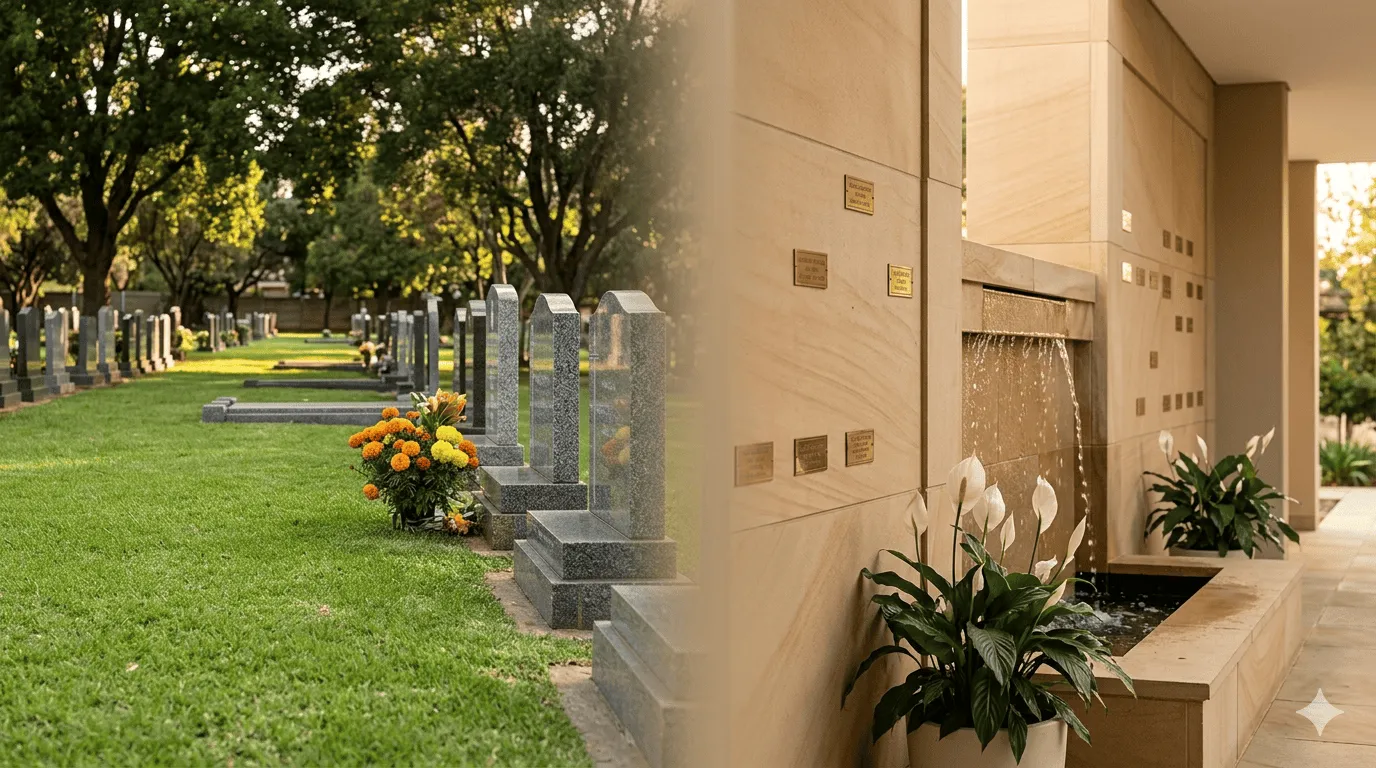
South Africa processes approximately 500,000 registered deaths per year, according to Statistics South Africa. Of these, the vast majority - roughly 75-80% - are burials. Cremation accounts for the remaining 20-25%, though the proportion varies dramatically by region.
In Johannesburg and Cape Town, cremation rates are close to 50-60%. In rural KwaZulu-Natal, the Eastern Cape, and Limpopo, cremation is extremely rare - often below 5%. The split is driven not by price or convenience, but by deeply rooted cultural and religious practices that many South Africans consider non-negotiable.
What Happens During a Burial
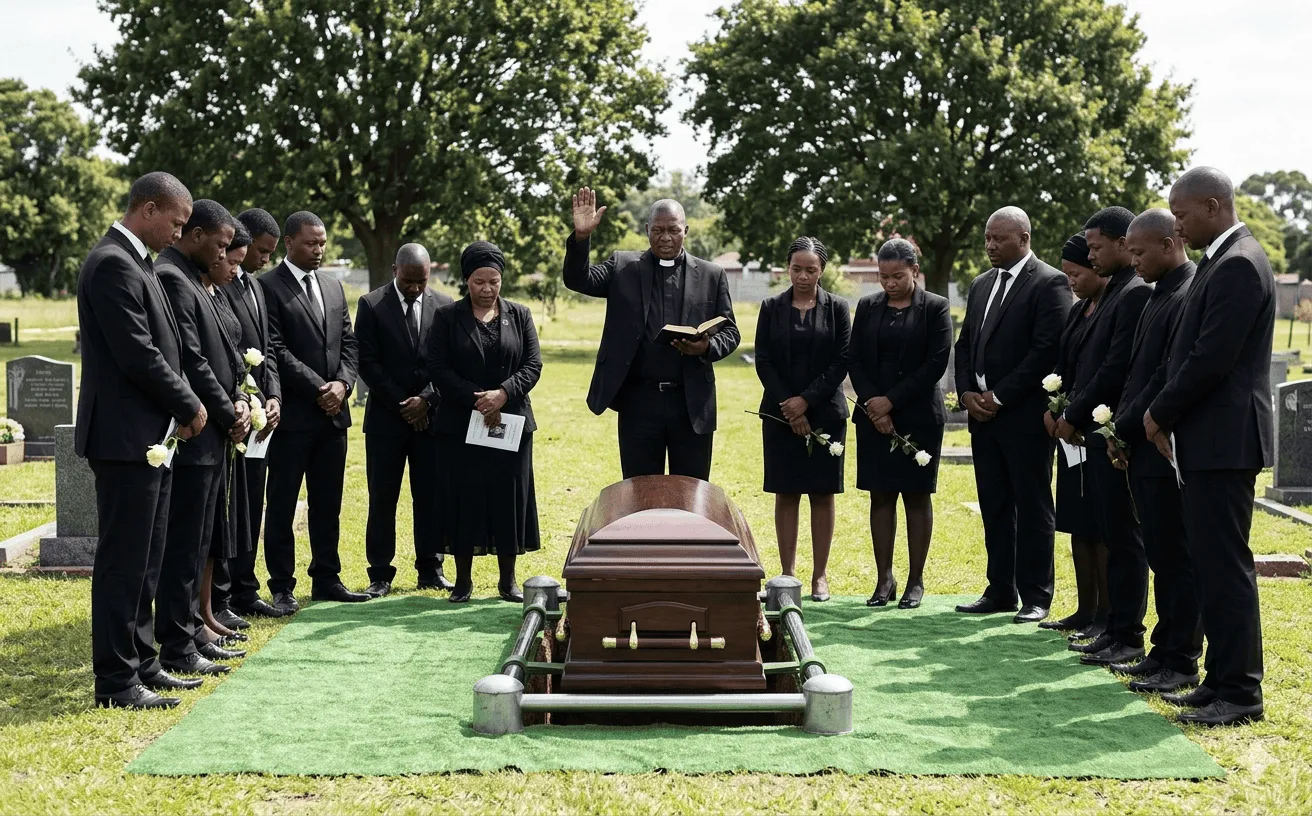
Burial in South Africa follows a well-established process that families, funeral homes, and municipal cemeteries have practiced for generations. Here is the sequence:
- The body is prepared. The funeral home washes, dresses, and places the deceased in a coffin. Embalming is common but not legally required unless the burial is delayed beyond 72 hours.
- The funeral service takes place. This may be held at a church, mosque, community hall, funeral home chapel, or the family homestead. Services typically last 1-3 hours.
- The coffin is transported to the cemetery. The funeral procession - led by the hearse - travels from the service venue to the cemetery. In many communities, this procession through the neighbourhood is an important visual acknowledgment of the death.
- The burial itself. The coffin is lowered into the grave. Family members and attendees often throw a handful of soil onto the coffin. Prayers are said. In many African traditions, the grave is then filled by male family members and community men - not by machinery.
- After-tears. Mourners return to the family home or a hired venue for a communal meal. This gathering - known in many communities as the "after-tears" - is a time for the community to support the family with food, conversation, and presence.
What Happens During a Cremation
Cremation in South Africa is performed at licensed crematoriums, of which there are approximately 40 across the country. The process works as follows:
- The body is prepared. The same care applies - washing, dressing, and placement in a coffin or cremation casket. A standard coffin can be used for cremation; there is no requirement for a special container.
- A memorial or funeral service may be held. Cremation does not mean no service. Many families hold a full ceremony at a church, chapel, or crematorium before the cremation takes place.
- The cremation. The coffin is placed in a cremation chamber heated to 800-1000-C. The process takes approximately 1-2 hours. Only one body is cremated at a time. Family members do not witness the cremation unless they specifically request to do so.
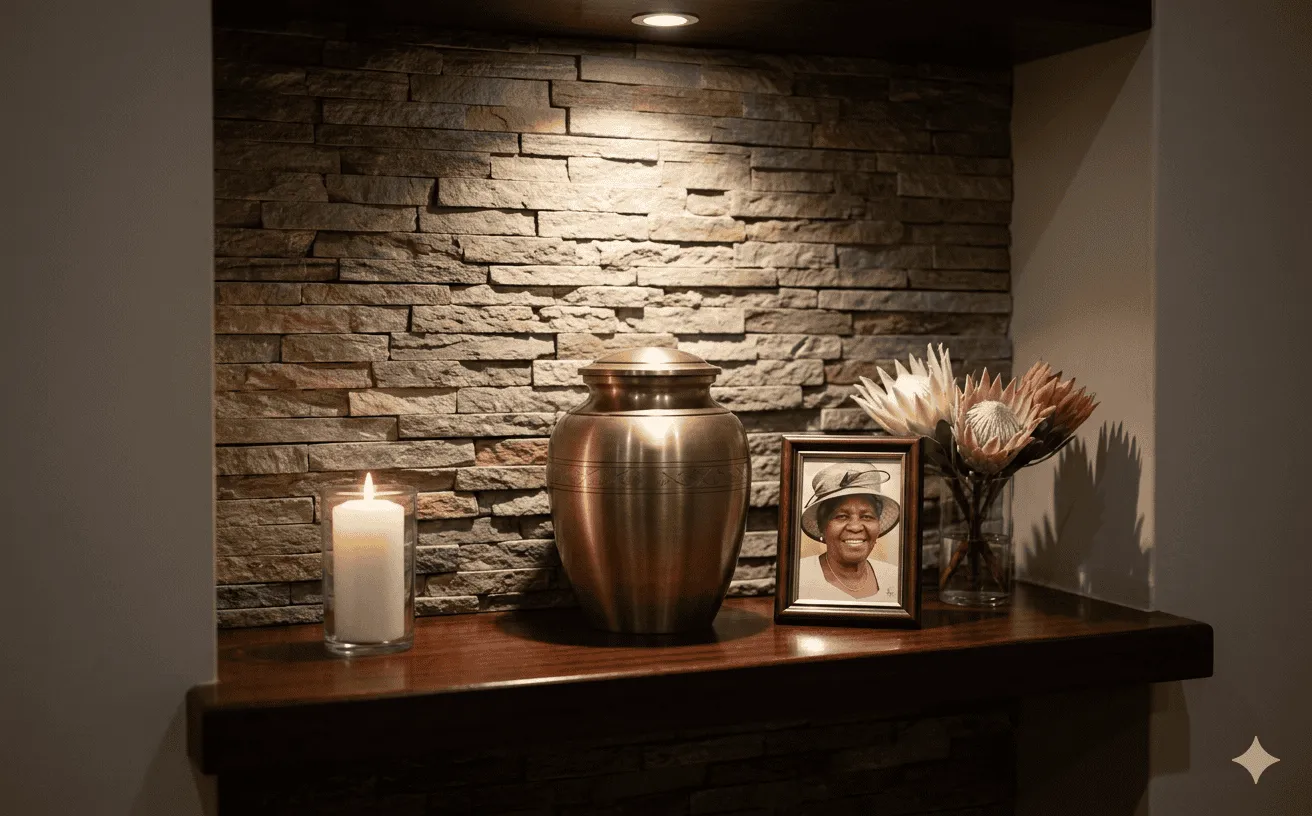
- The ashes are returned. After cooling, the cremated remains (often called ashes) are placed in an urn and returned to the family within 24-48 hours. Ashes weigh approximately 2-3 kg.
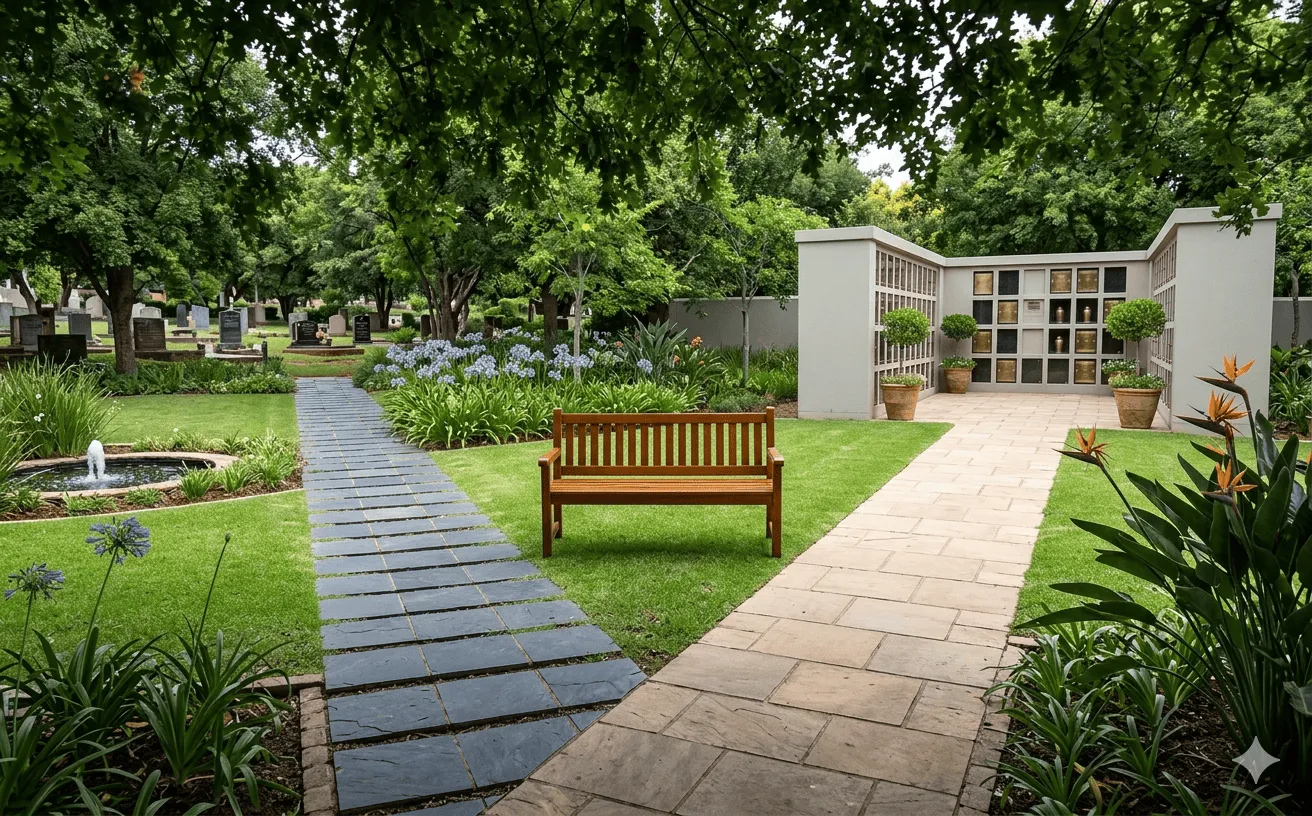
- The family decides what to do with the ashes. Options include keeping the urn at home, placing it in a columbarium (a wall of niches at a cemetery or memorial park), scattering the ashes at a meaningful location, or dividing them among family members.
Cultural and Religious Perspectives
In South Africa, the choice between burial and cremation is often determined - or heavily influenced - by cultural identity and religious faith. Here is how major groups approach the question:
African traditional beliefs (Zulu, Xhosa, Sotho, Tswana, Venda, Tsonga)
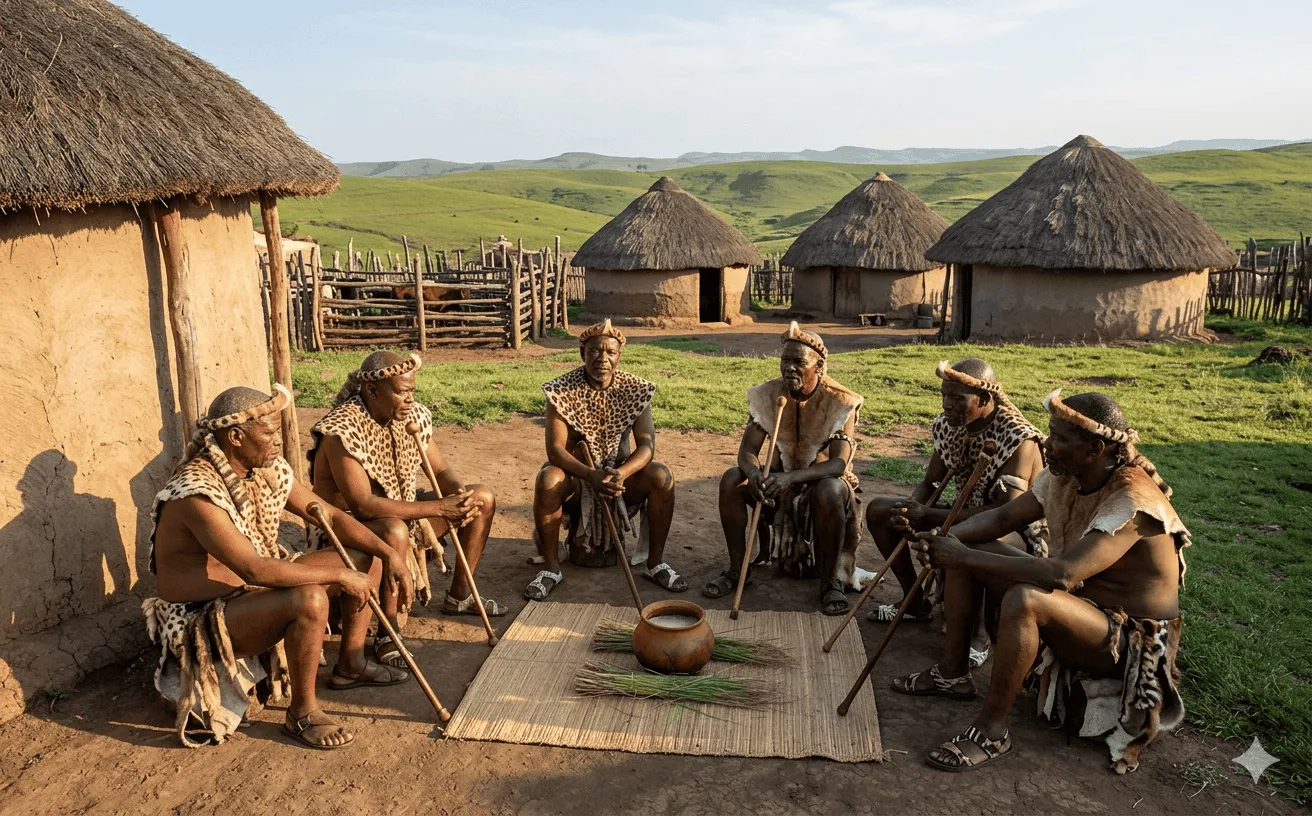
Across most traditional African cultures in South Africa, burial is the expected practice. The body is returned to the earth, often at the family homestead or an ancestral burial ground. The belief in amadlozi (ancestors) means the physical body and its resting place are spiritually significant. Cremation is generally viewed as incompatible with these beliefs, as it is thought to disrupt the connection between the living and the dead.
That said, urbanisation is shifting attitudes. Younger South Africans - particularly those in Johannesburg, Pretoria, and Cape Town - are increasingly open to cremation for practical reasons, even when their rural families would prefer traditional burial. This can create family tension that requires sensitive negotiation.
Christianity
The majority of South Africans identify as Christian. Historically, Christianity favoured burial based on the doctrine of bodily resurrection. However, most mainstream denominations - including the Anglican, Catholic, Methodist, and Dutch Reformed churches - now accept cremation as a valid choice. The Catholic Church lifted its ban on cremation in 1963 but asks that ashes be kept in a sacred place (not scattered or divided).
Many African Initiated Churches (AICs), including the Zion Christian Church (ZCC) and various Apostolic movements, still strongly prefer burial, often with specific rituals around the grave site.
Islam
Islamic law (Shariah) requires burial. Cremation is strictly prohibited. The body must be washed, wrapped in white cloth (kafan), and buried as soon as possible - ideally within 24 hours. The Muslim Judicial Council (MJC) in the Western Cape and other South African Islamic bodies maintain clear guidelines on burial practices.
Hinduism
Hindu tradition requires cremation. The eldest son traditionally lights the funeral pyre. In South Africa, where there is a significant Hindu population (primarily in KwaZulu-Natal and Gauteng), crematoriums accommodate Hindu rituals. The ashes are often scattered in running water - many families travel to the Umgeni River in Durban for this purpose.
Judaism
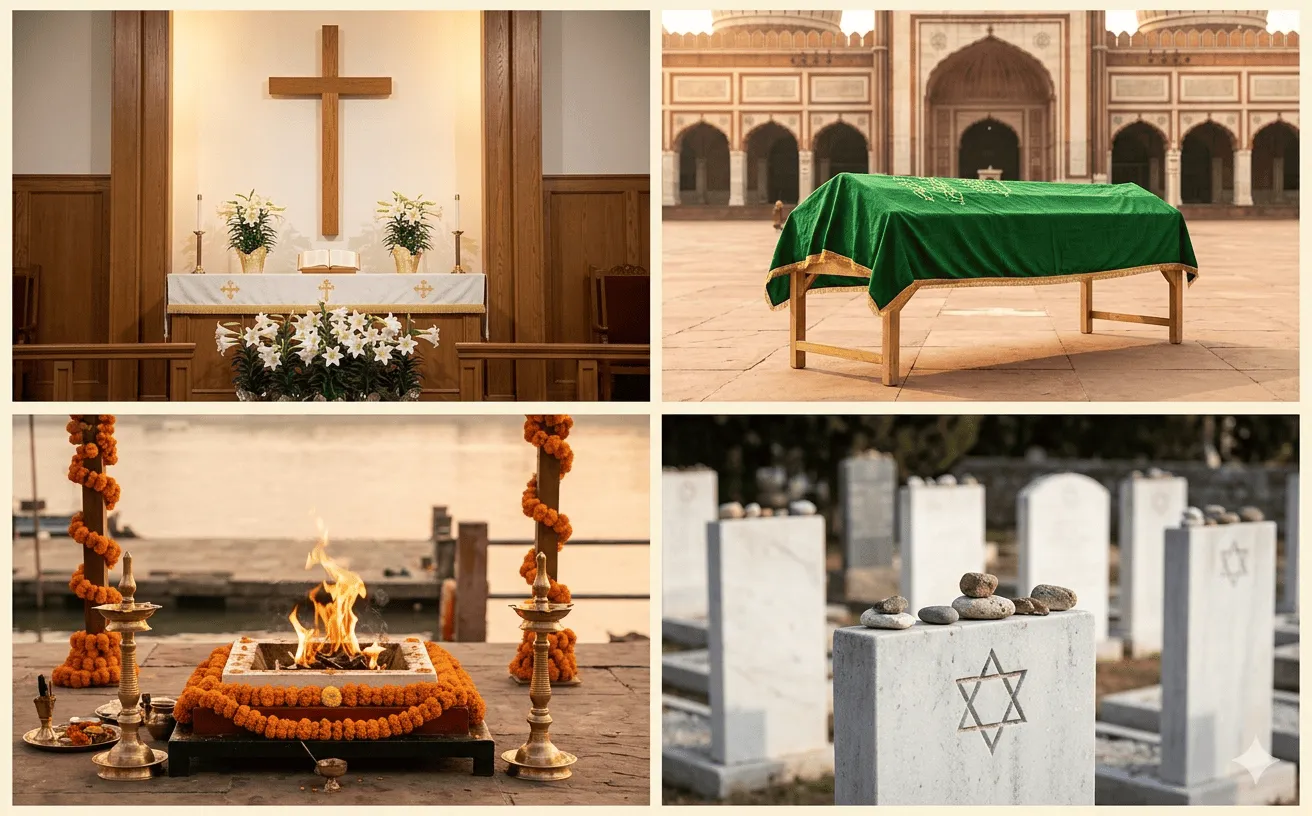
Traditional Jewish law (Halakha) prohibits cremation and requires burial. The body is washed and dressed in simple white shrouds (tachrichim). The Beth Din of South Africa oversees Jewish burial practices. Many Jewish cemeteries in Johannesburg and Cape Town follow strict Orthodox requirements, including a plain wooden coffin with no metal.
If the deceased did not leave clear instructions, the decision falls to the immediate family. In multi-cultural or multi-faith families, this can be difficult. Start the conversation early - ideally while everyone is still alive and healthy. A simple note or verbal instruction can prevent weeks of conflict at the worst possible time.
Cost Comparison
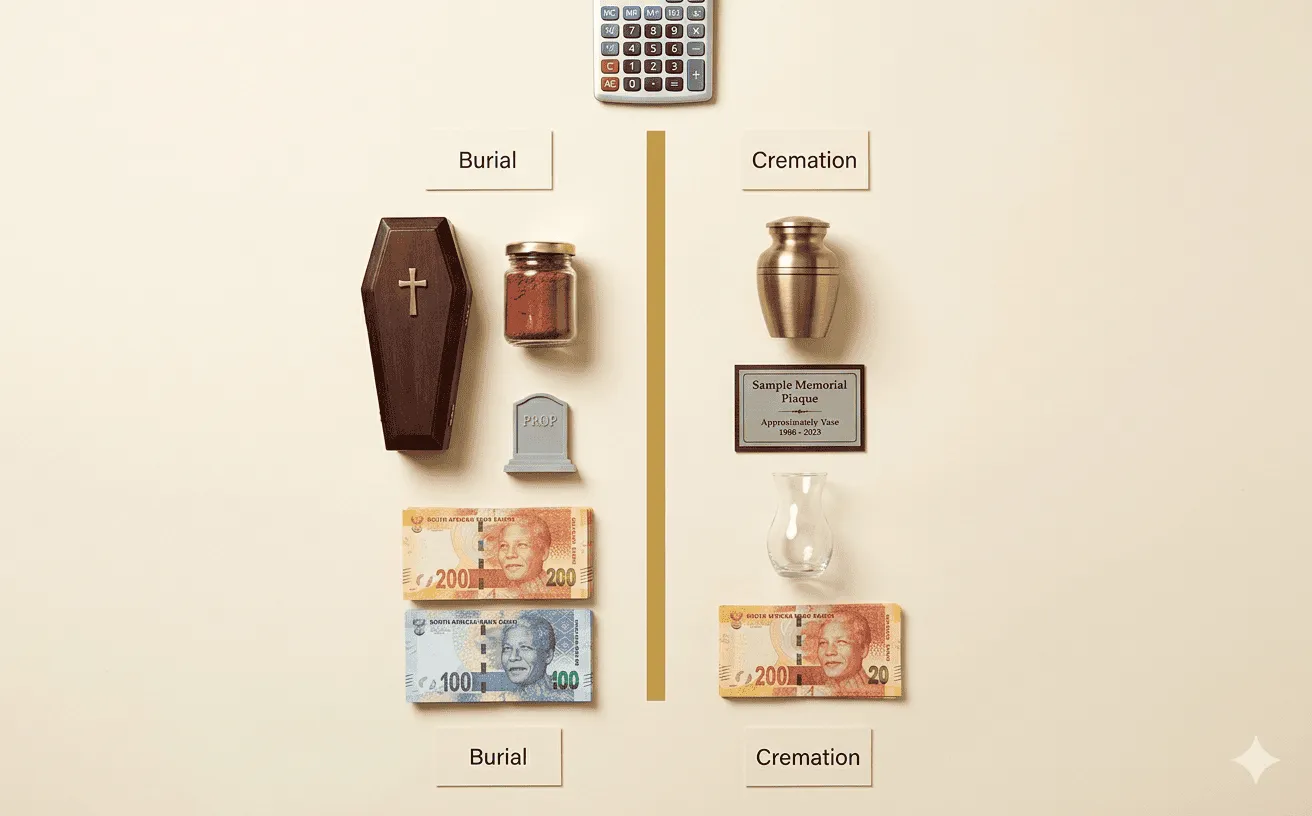
Cost is an increasingly important factor, especially for families without funeral insurance. Here is a realistic comparison based on 2026 prices:
- Basic burial (municipal cemetery, chipboard coffin, community catering): R10,000 - R20,000
- Mid-range burial (private cemetery, solid wood coffin, hired catering): R25,000 - R50,000
- Premium burial (memorial park, premium casket, full-service funeral home): R50,000 - R100,000+
- Basic cremation (crematorium fee, simple casket, urn): R5,000 - R12,000
- Mid-range cremation (chapel service, standard coffin, columbarium niche): R12,000 - R25,000
Cremation eliminates three major burial costs: the burial plot (R1,500-R50,000), grave digging (R800-R3,500), and the tombstone (R3,000-R25,000). For families under financial strain, this difference can be decisive. The FSCA notes that many funeral policy payouts - which average R15,000-R30,000 - cover a cremation comfortably but may fall short for a full burial.
Environmental Considerations
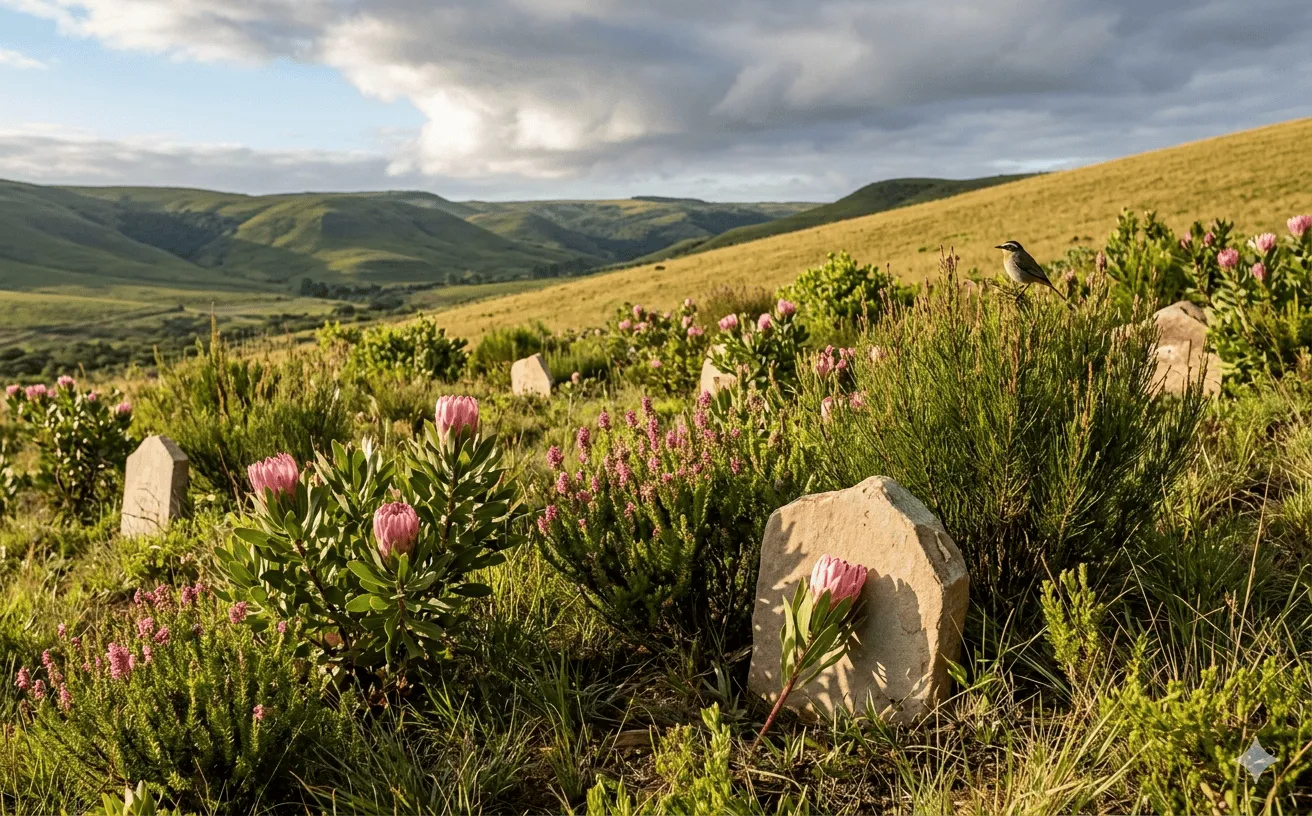
Neither burial nor cremation is environmentally neutral, though the impacts differ:
Burial
- Uses land permanently - South Africa's major cities are running out of burial space. The City of Johannesburg has acknowledged that several municipal cemeteries will reach capacity within the next decade.
- Embalming involves formaldehyde and other chemicals that leach into the soil over time.
- Concrete grave liners and non-biodegradable coffin materials persist in the ground for centuries.
Cremation
- Releases CO2 and particulates into the atmosphere - a single cremation produces approximately 160 kg of CO2, equivalent to a 500 km car journey.
- Uses significant energy - natural gas or diesel powers the cremation chamber.
- Mercury emissions from dental fillings, though increasingly regulated by filtration systems in modern crematoriums.
Emerging alternatives
Internationally, "green burial" (no embalming, biodegradable coffin, natural burial ground) and "aquamation" (water-based cremation using alkaline hydrolysis) are gaining traction. In South Africa, these options are not yet widely available, but a handful of eco-cemeteries - such as the Philippi Green Burial Site in the Western Cape - are beginning to offer natural burial options.
Practical Considerations for Families
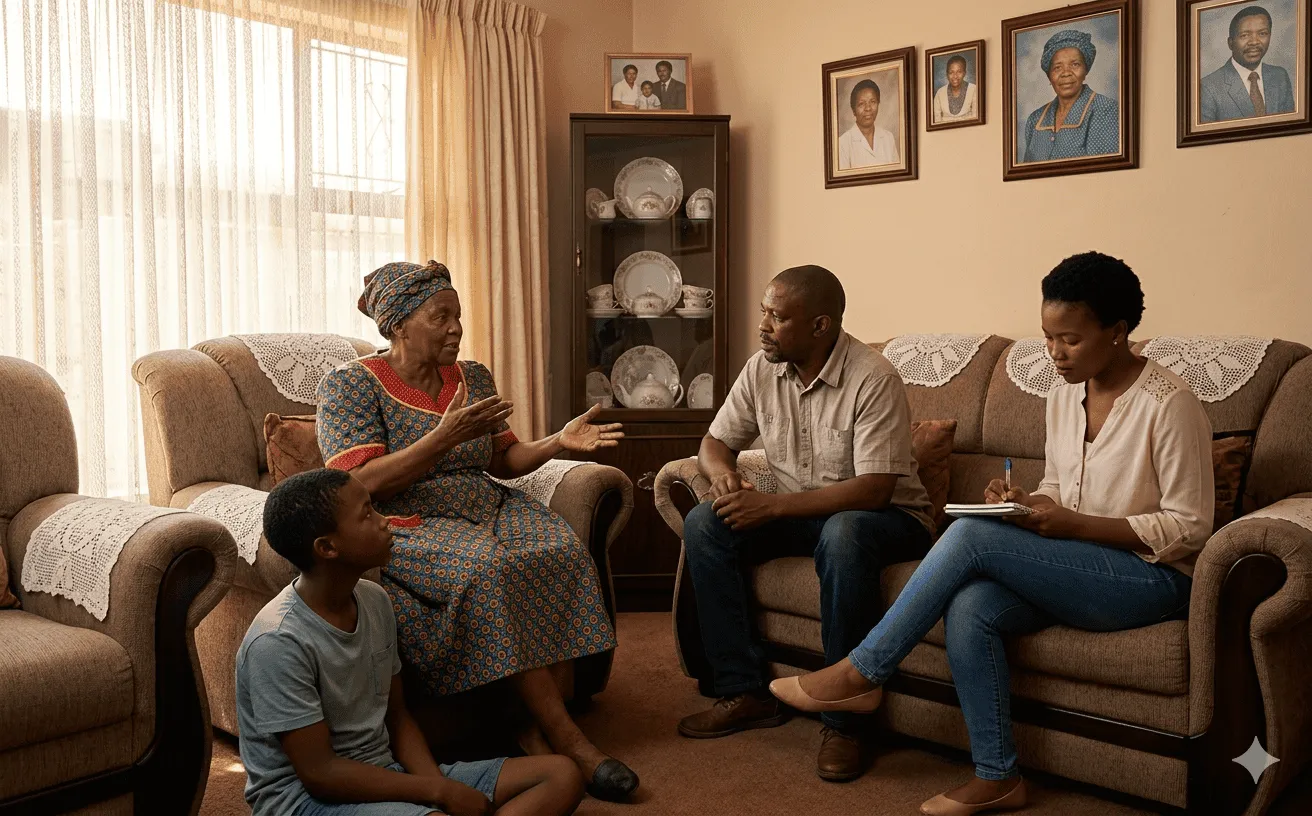
What did the deceased want?
Check for a written will, a letter of wishes, or verbal instructions shared with family. In the absence of explicit instructions, the next of kin makes the decision. Spouses take precedence, followed by adult children, then parents.
Where will the family gather?
A burial gives the family a specific physical place to visit - a grave that can be maintained, decorated, and used as a site for remembrance rituals (such as ukubuyisa in Zulu tradition, the ceremony to bring the spirit home). Cremation does not provide this unless the ashes are placed in a columbarium or at a specific memorial site.
How quickly do you need to act?
Both burial and cremation require a burial order from the Department of Home Affairs. Cremation has an additional legal requirement: a Form B1-24 (Application for Cremation) must be signed by two medical doctors confirming the cause of death. This can take longer to arrange, particularly if the death occurred outside of a hospital. If speed is important (as in Muslim and Jewish traditions), burial is the more straightforward option.
What about the tombstone?
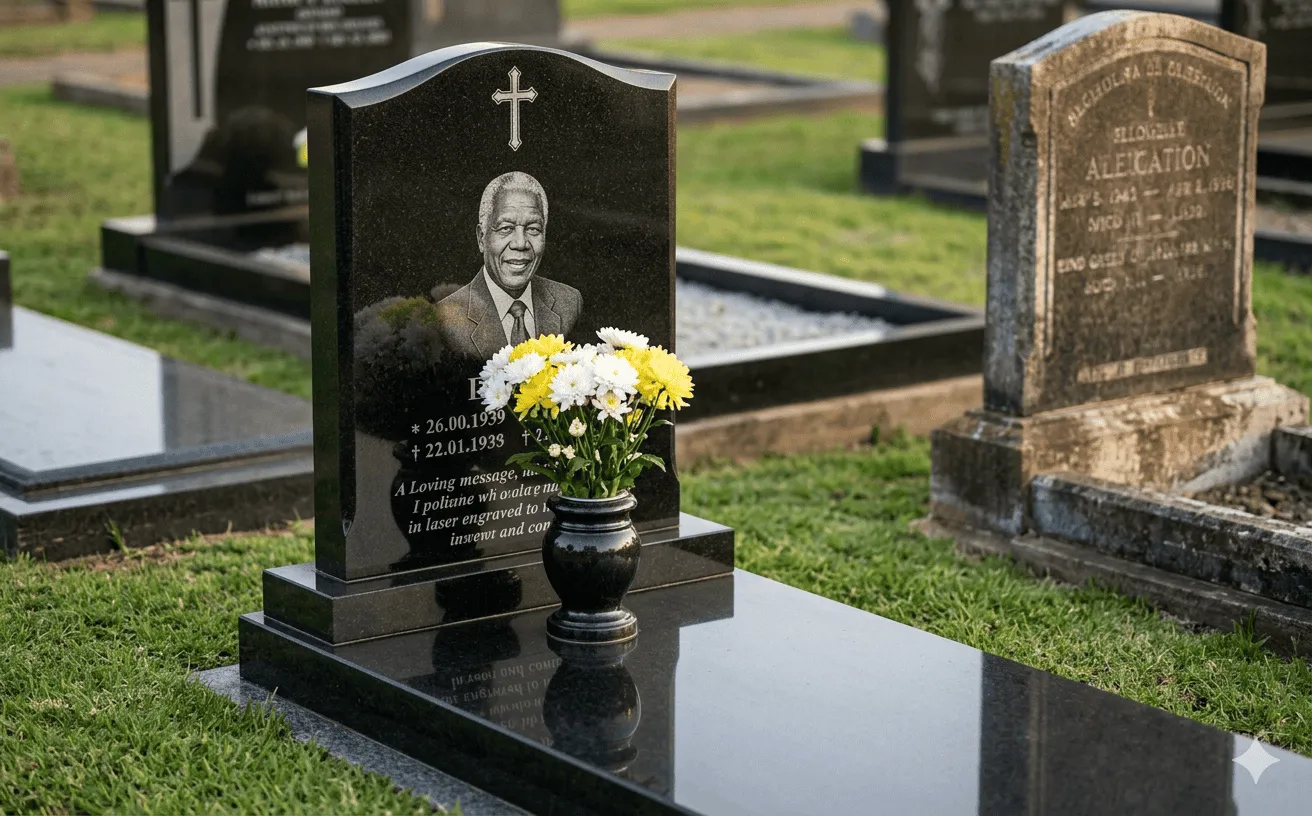
For many South African families, the unveiling of the tombstone - held months or even a year after the burial - is a significant cultural event. It provides closure and a second opportunity for the community to gather. Cremation does not have an equivalent milestone, though some families hold ash-scattering ceremonies or memorial gatherings on the anniversary.
Honour Your Loved One's Memory
Whether you choose burial or cremation, a digital memorial page preserves the full story - photographs, the obituary, messages of condolence, and funeral details - in a permanent, shareable space.
Create a Free Memorial PageMaking the Decision: A Summary
There is no universally "right" answer. The best choice depends on your family's circumstances:
- Choose burial if: Your cultural or religious tradition requires it, you want a physical grave site for future visits, family consensus favours it, and your budget or insurance can cover the costs.
- Choose cremation if: Your faith permits it, you are under significant financial constraints, the deceased requested it, or the family prioritises simplicity and flexibility.
- Consider both: Some families hold a full funeral service (identical to a burial funeral) followed by cremation instead of graveside proceedings. This allows the community gathering and ritual that many South African families value, at a lower overall cost.
Frequently Asked Questions
Can you hold a funeral service before a cremation?
Yes, absolutely. A cremation does not mean skipping the funeral. Many families hold a full church or chapel service - with hymns, eulogies, and everything else - before the body is taken to the crematorium.
Is cremation legal in South Africa?
Yes. Cremation has been legal in South Africa since the early 1900s. It is regulated under municipal health bylaws and requires a burial order and cremation authorisation form signed by two doctors.
Can I scatter ashes anywhere?
South African law does not explicitly prohibit scattering ashes, but private property owners can refuse permission. Public spaces like beaches, rivers, and nature reserves may have their own rules. Always ask first. Most memorial parks and crematoriums offer dedicated scattering gardens.
What if the family disagrees about burial vs cremation?
The legal next of kin has the final decision. In practice, most families reach a consensus through discussion - often involving church elders, family elders, or community leaders as mediators.
Can you bury ashes in a grave?
Yes. Some families choose cremation but still bury the urn in a cemetery plot. This provides a grave to visit while avoiding the cost of a full-size plot. Many cemeteries offer smaller, less expensive "ash plots."

Naledi Maseko is TributePoint's Memorial Planning Editor. She writes practical guides on obituary writing, funeral preparation, funeral costs, and the administrative steps South African families face after a loss.
Also helpful: Create a TributePoint memorial page when you are ready to share service details, or explore more practical support in our South African funeral guides.